
Sri Lankan Kavum Recipe: Traditional Oil Cake (Kewum)
 English
 German
 Spanish
 French
 Sinhala
Jul 05, 2026
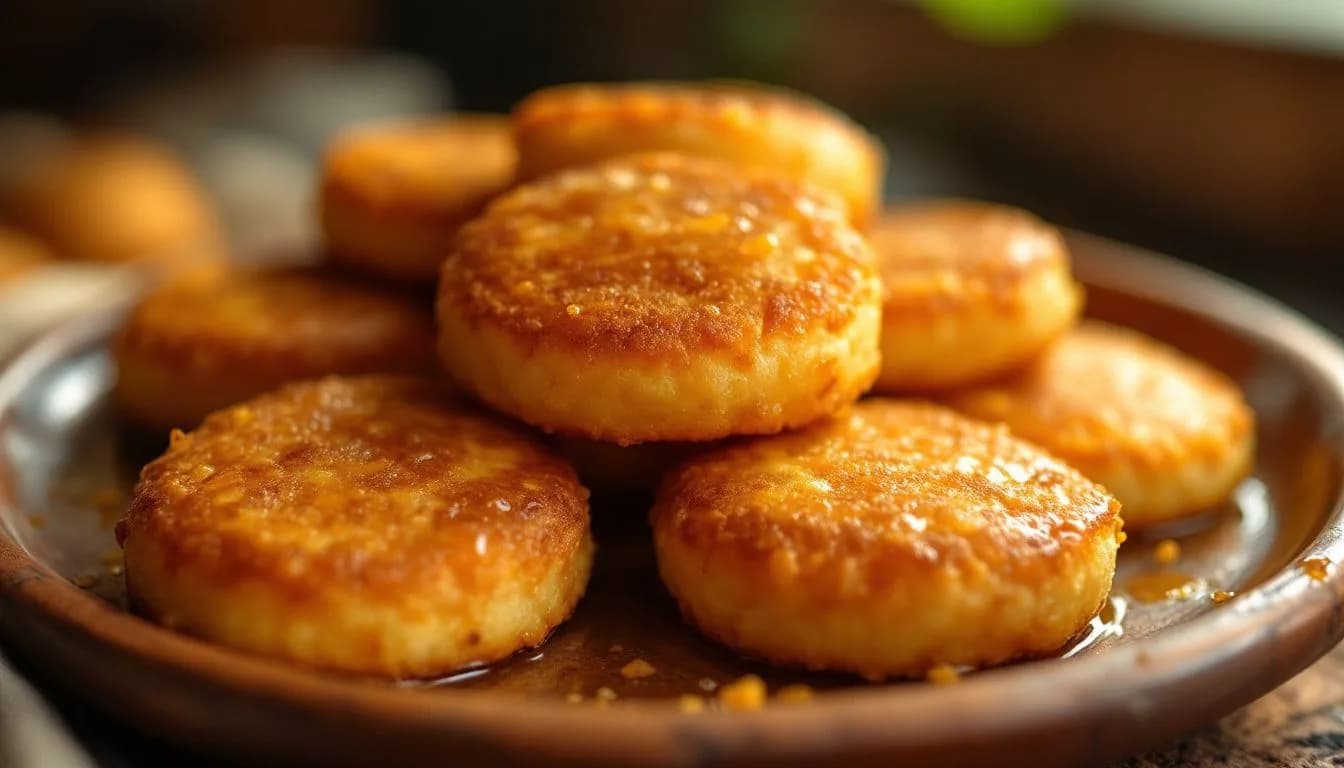
The first time I made kavum in my own kitchen, I got the oil too hot and ended up with sad, flat little discs that browned before they had a chance to puff. My aunt just laughed and said, 'The oil has to be patient, and so do you.' She was right. When you get it correct, a proper kavum sits in the oil like a little golden lantern, plump in the middle with a slightly nutty, chewy edge — the kind of sweet that shows up on every Sinhala and Tamil New Year table for a reason.
This is a treat built around two things Sri Lankan cooks always have on hand: rice flour and treacle. Kithul treacle, ideally — that dark palm syrup with a smoky, almost caramel edge that gives kavum its unmistakable flavour. If you've only ever had store-bought oil cakes, homemade ones will spoil you.
Ingredient notes and substitutions
Rice flour is the backbone here. Use fine rice flour, not the coarse variety, or the batter turns gritty. Some families add a spoonful of urad flour or a little wheat flour for softness, but you can skip it and still get good results.
Kithul treacle is what makes it authentically Sri Lankan. If you genuinely can't find it, date syrup or a dark jaggery syrup will get you close, though the flavour shifts. A pinch of salt and a whisper of cardamom or scraped vanilla round things out. For frying, use a neutral oil like vegetable or sunflower — coconut oil works beautifully too if you want that extra aroma.
Tips for the best kavum and mistakes to avoid
The batter should be thick — think a slow, ribbon-y drop off the spoon, not runny. Let it rest for at least half an hour so the rice flour hydrates properly; skip this and the texture goes dense.
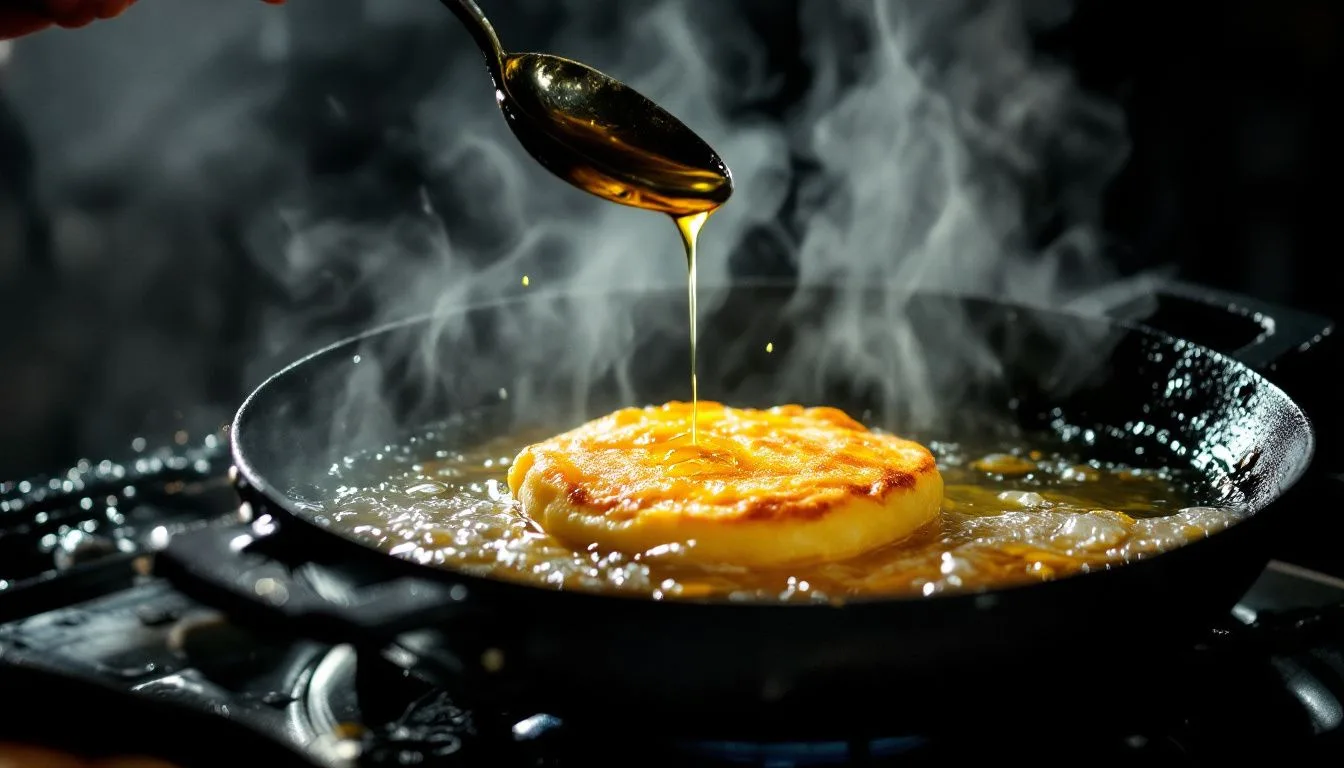
Oil temperature is everything. Too hot and the outside darkens while the middle stays raw. Aim for a medium heat, around 160–170°C. The classic trick is to use a small stick or the handle of a wooden spoon to coax the batter into that pointed, star-like shape as it fries, spooning hot oil over the top so it puffs. It takes a couple of tries — your first one is a test kavum, and every cook eats theirs quietly.
Make-ahead and storage
Kavum keeps surprisingly well. Once fully cooled, store them in an airtight tin at room temperature for up to a week. Don't refrigerate — they go hard and lose that lovely chew. The batter itself can rest in the fridge overnight if you want to fry fresh in the morning; just bring it back to room temperature first.
Serving ideas
Serve kavum alongside kokis, aluwa and mung kavum for a full Avurudu spread, ideally with a cup of plain tea. They're rich, so one or two is plenty. Some people dust theirs with nothing at all; I like a tiny extra drizzle of treacle on top for guests.

Why won't my kavum puff up?
Usually the batter is too thin or the oil isn't hot enough. Thicken the batter and let the oil reach a steady medium heat before you start.
Can I make kavum without kithul treacle?
Yes, but the taste changes. Jaggery syrup or date syrup are the closest substitutes for that deep, dark sweetness.
Why are mine greasy?
Oil that's too cool lets the cakes soak it up. Keep the heat consistent and drain them well on paper.
Get more recipes like this
Weekly recipe inspiration delivered to your inbox. No spam, ever.
Comments
Sign in to leave a comment.
Sign In