
Egg Hoppers (Appa) Recipe: Sri Lanka's Favorite Breakfast
 English
 Sinhala
Jul 01, 2026
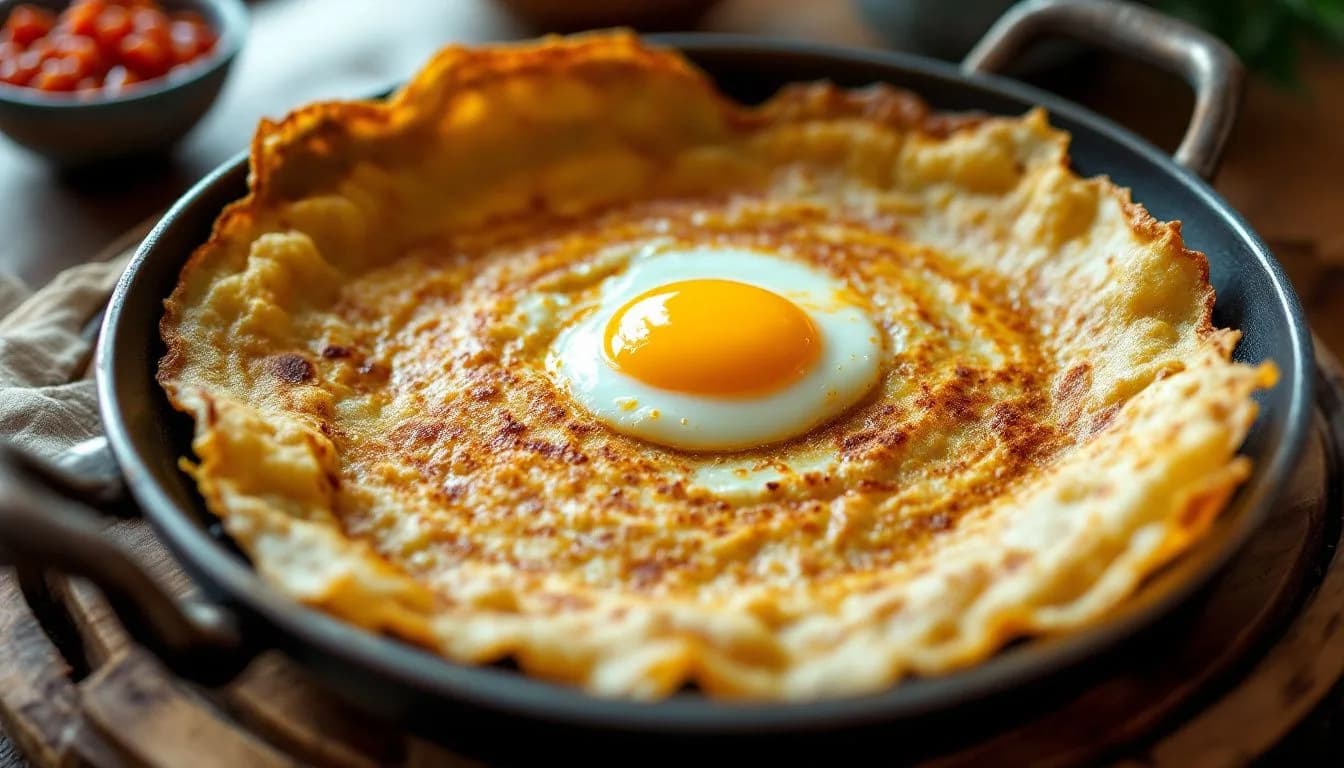
If you've ever wandered into a busy Colombo morning market, you'll know the sound before you see it: the soft sizzle of batter hitting a curved pan, followed by a quick spin of the wrist that swirls it up the sides into a bowl-shaped shell. Then an egg cracks straight into the middle. That's an egg hopper, and once you've eaten a proper one — crisp lacy edges, a soft spongy centre, a runny yolk waiting for a spoonful of fiery lunu miris — you'll understand why Sri Lankans happily line up for them at dawn.
The good news is you don't need a plane ticket. This egg hoppers recipe is completely doable at home, though I'll be honest with you: your first two or three will look like abstract art. Mine did. By the fourth, you'll have the rhythm.
What makes a hopper batter work
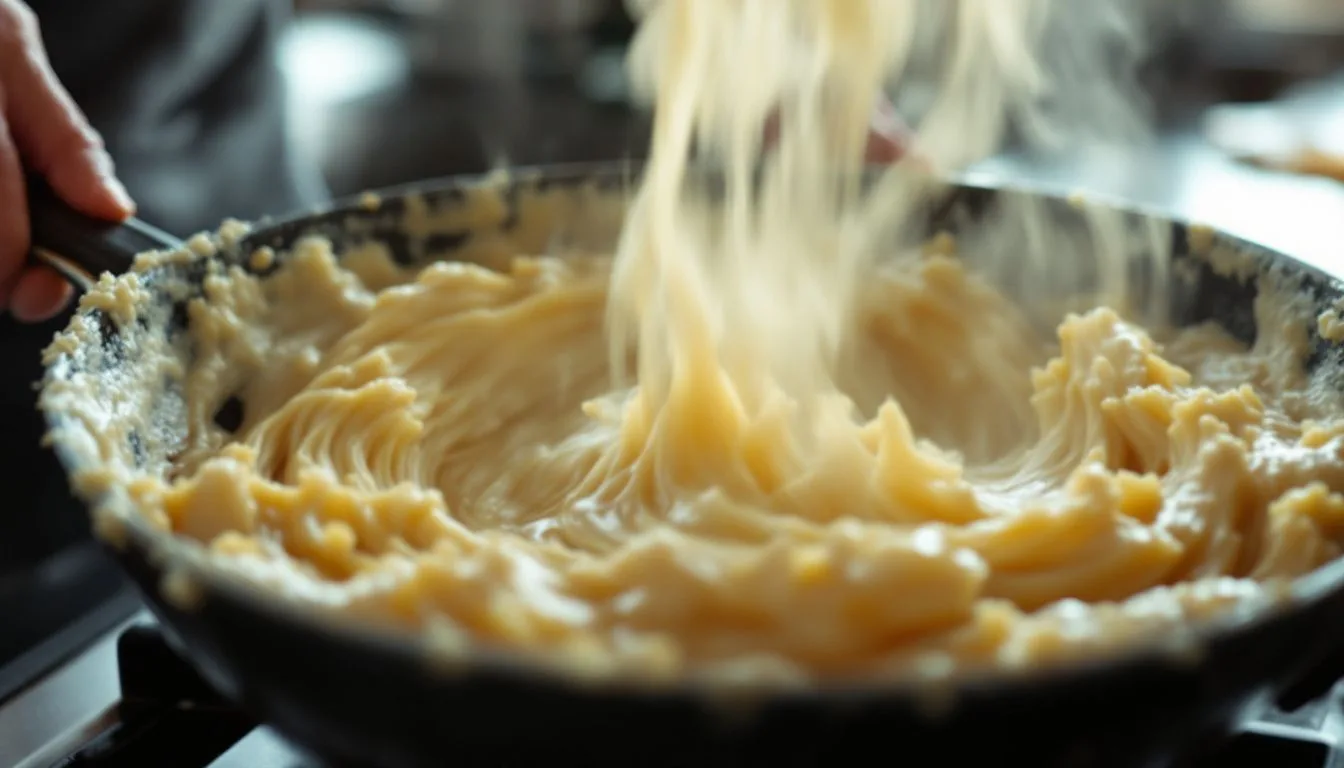
The magic comes down to fermented rice batter loosened with coconut milk. Traditionally the batter uses a little toddy (fermented palm sap) as a natural leavener, but almost nobody outside Sri Lanka has that on hand, so we lean on a pinch of yeast and a little sugar to feed it. The batter needs time — overnight is ideal — to develop that gentle sour tang and the bubbles that give hoppers their signature lacy rim.
Rice flour is the base, but a spoon of semolina or a splash of cooked rice blended in gives you a better texture. Full-fat coconut milk matters here; light coconut milk makes a flatter, sadder hopper.
Ingredient notes and substitutions
- Rice flour: Use plain white rice flour, not glutinous. If you can find hopper flour (roasted rice flour), even better.
- Coconut milk: Canned full-fat works fine. Shake it well before measuring.
- Yeast: Instant or active dry both work. Bloom active dry in warm water first.
- Eggs: Fresh, room-temperature eggs sit better in the batter well and cook more evenly.
Tips for the best results (and mistakes to dodge)
The pan is everything. A small carbon-steel bowl-shaped hopper pan (appa thatchiya) with a tight lid is worth buying, but a small non-stick wok with a lid does the job. Get it properly hot, wipe it with a thread of oil, pour the batter, and immediately swirl before it sets.
Cover the pan the moment the egg goes in. The trapped steam is what cooks the white while the edges crisp.
Common slip-ups: batter too thick (it won't run up the sides), pan too cool (soggy, pale hoppers), or peeking too early (the egg white stays raw). Give it patience.
Make-ahead and storage
The batter keeps in the fridge for up to two days — it just gets tangier, which many people prefer. Bring it back to room temperature and give it a gentle stir before cooking. Cooked hoppers are best eaten straight from the pan; they go leathery within an hour and don't reheat well, so cook to order.
How to serve them
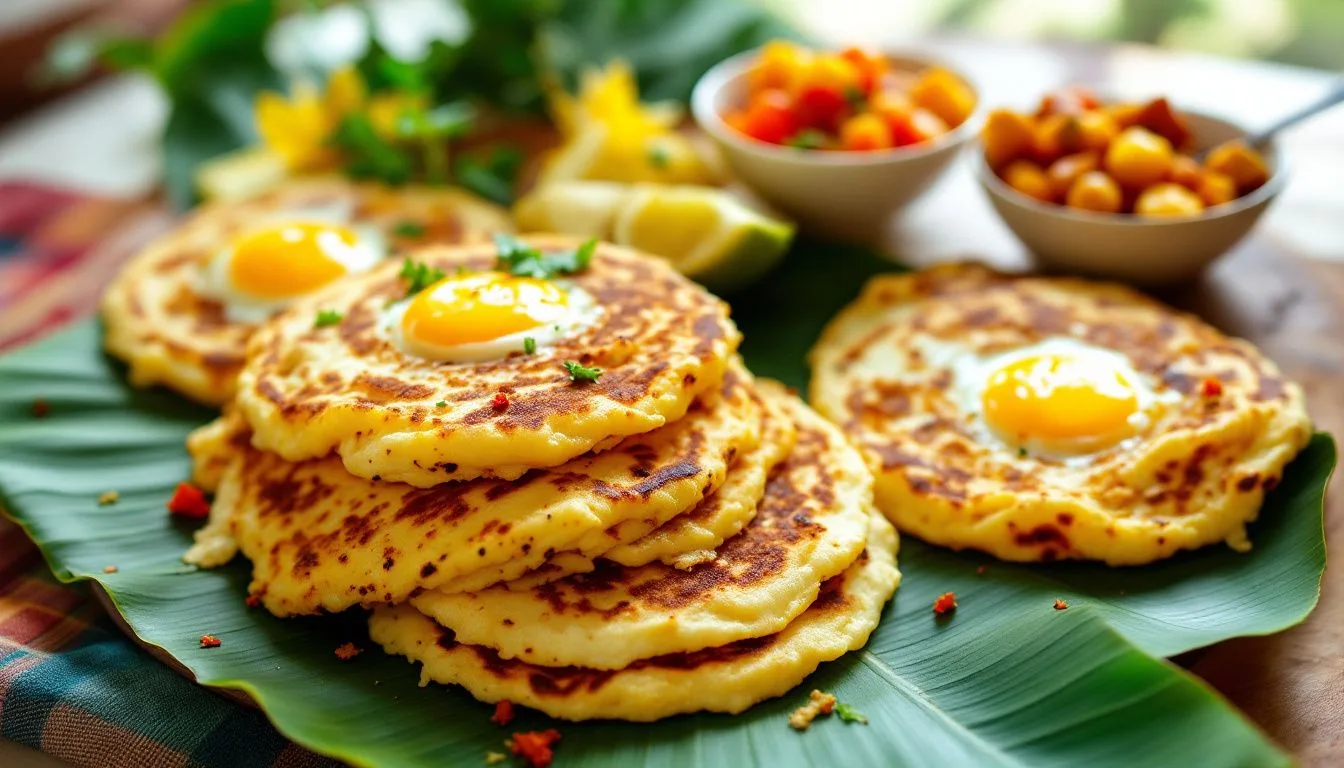
Egg hoppers want heat and acid alongside. Lunu miris (a pounded chilli, onion and lime relish) is the classic partner. Seeni sambol, a sweet caramelised onion relish, is lovely too, and a fresh coconut sambol never hurts. For a bigger spread, serve them with a light dhal curry or a fish curry.
Why did my hopper not form a bowl shape?
Your batter is likely too thick or the pan wasn't hot enough. Thin the batter slightly and swirl faster the instant it hits the pan.
Can I make egg hoppers without yeast?
You can use a little baking soda for lift, but you'll miss the fermented tang. Yeast plus an overnight rest gives the most authentic flavour.
Are hoppers gluten-free?
Yes, as long as you use pure rice flour and rice-based semolina alternatives. Always check your flour labels.
My egg white stayed runny — what happened?
You lifted the lid too soon. Keep it covered a full couple of minutes so the steam sets the white while the yolk stays soft.
Get more recipes like this
Weekly recipe inspiration delivered to your inbox. No spam, ever.
Comments
Sign in to leave a comment.
Sign In