Dal Vada Recipe (Parippu Vada | Lentil Fritters): Crispy, Spiced, and Addictive
 English
 Sinhala
Jun 25, 2026

There's a particular kind of magic in biting into a freshly fried parippu vada. The outside crackles, the inside stays a little coarse and meaty from the chana dal, and somewhere in there a curry leaf or a sliver of green chili hits you with a fragrant little jolt. If you grew up in Kerala or Tamil Nadu, you already know the feeling — that monsoon afternoon, rain hammering the tin roof, and a plate of these golden discs landing on the table next to a kettle of chai.
This dal vada recipe (parippu vada, or lentil fritters, if you want the plain English name) is one of those snacks that looks humble but punches way above its weight. No fancy equipment, no obscure ingredients — just soaked lentils, a few aromatics, and hot oil. And yet getting them right takes a little know-how, which is exactly what I want to walk you through.
What makes a great parippu vada
The whole thing hinges on texture. A good vada is crisp at the edges, slightly soft toward the center, and never greasy. That balance comes from how you grind the dal. You're not making a smooth batter like you would for, say, a masala dosa. You want a coarse, slightly grainy paste with some whole and half-crushed lentils still visible. That texture is what gives the fritter its bite.
Chana dal (split Bengal gram) is the backbone here. Some cooks blend in a handful of toor dal or even moong dal for tenderness, and that's a fine move. But chana dal alone gives you that classic chewy-crisp result that people fight over the last piece of.
The golden rule: grind dry, grind coarse. Add water only if your blender absolutely refuses to move, and even then, just a teaspoon at a time.
A little background
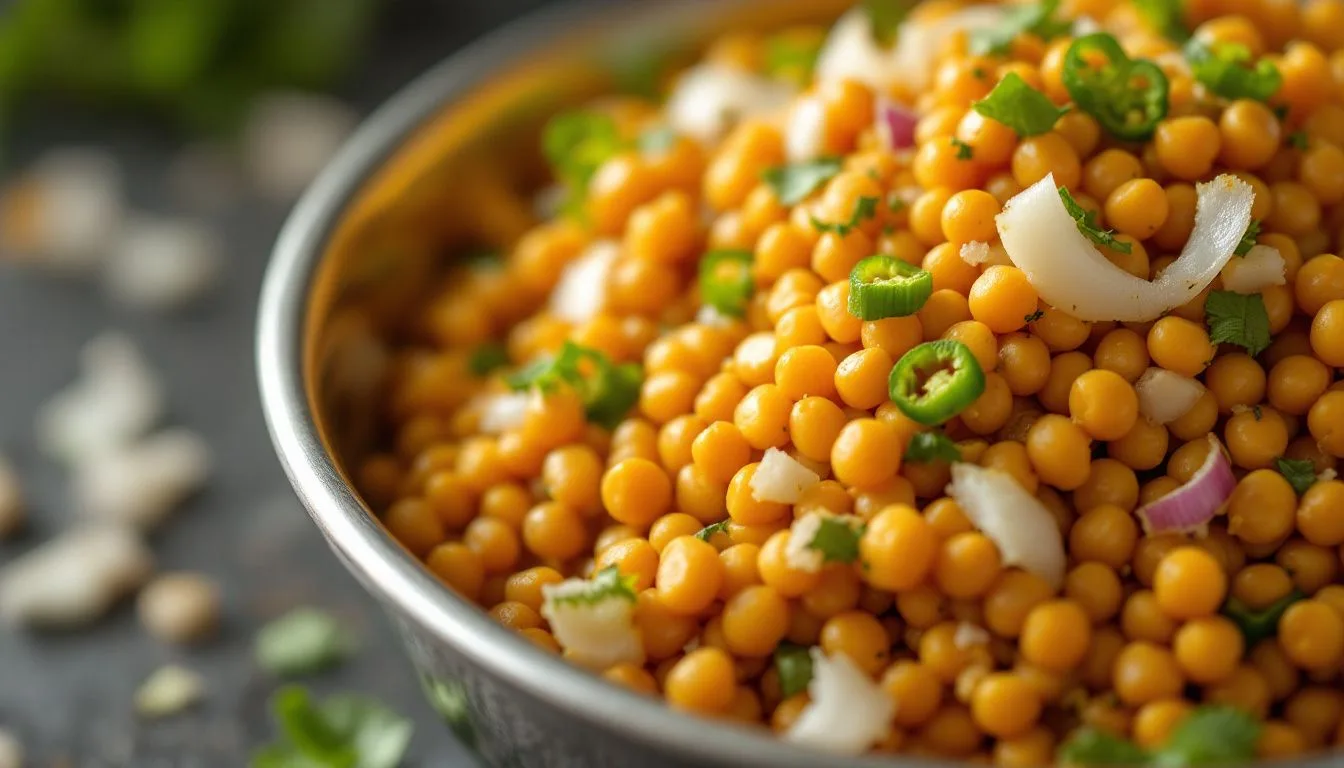
Parippu vada has roots all across South India and beyond — you'll find close cousins in Andhra (masala vada), in temple kitchens where they're offered as prasadam, and at roadside tea stalls everywhere from Kochi to Coimbatore. "Parippu" simply means lentil in Malayalam, and "vada" covers a whole universe of savory fried snacks. This particular one is the unsung hero: cheaper than the doughnut-shaped medu vada, faster to make, and honestly more crave-able.
I learned to make these watching my neighbor, an aunty who never measured anything. She'd soak the dal in the morning, drain it through her fingers, and grind it in a battered old mixie that sounded like it might explode. Her trick was the fennel — just a pinch of crushed saunf folded in at the end, which gives the vada a sweet, almost anise-like background note. Once you try it, you can't go back.
Tips that actually matter
- Soak, don't oversoak. Two hours is plenty. If the dal sits in water all day, it absorbs too much and your vadas turn out soggy and won't hold shape.
- Drain thoroughly. Wet dal is the enemy. Let it sit in a colander while you chop your onions and chilies.
- Reserve a handful of whole soaked dal. Grind most of it, then stir the whole lentils back in. That's how you get those satisfying little nuggets in every bite.
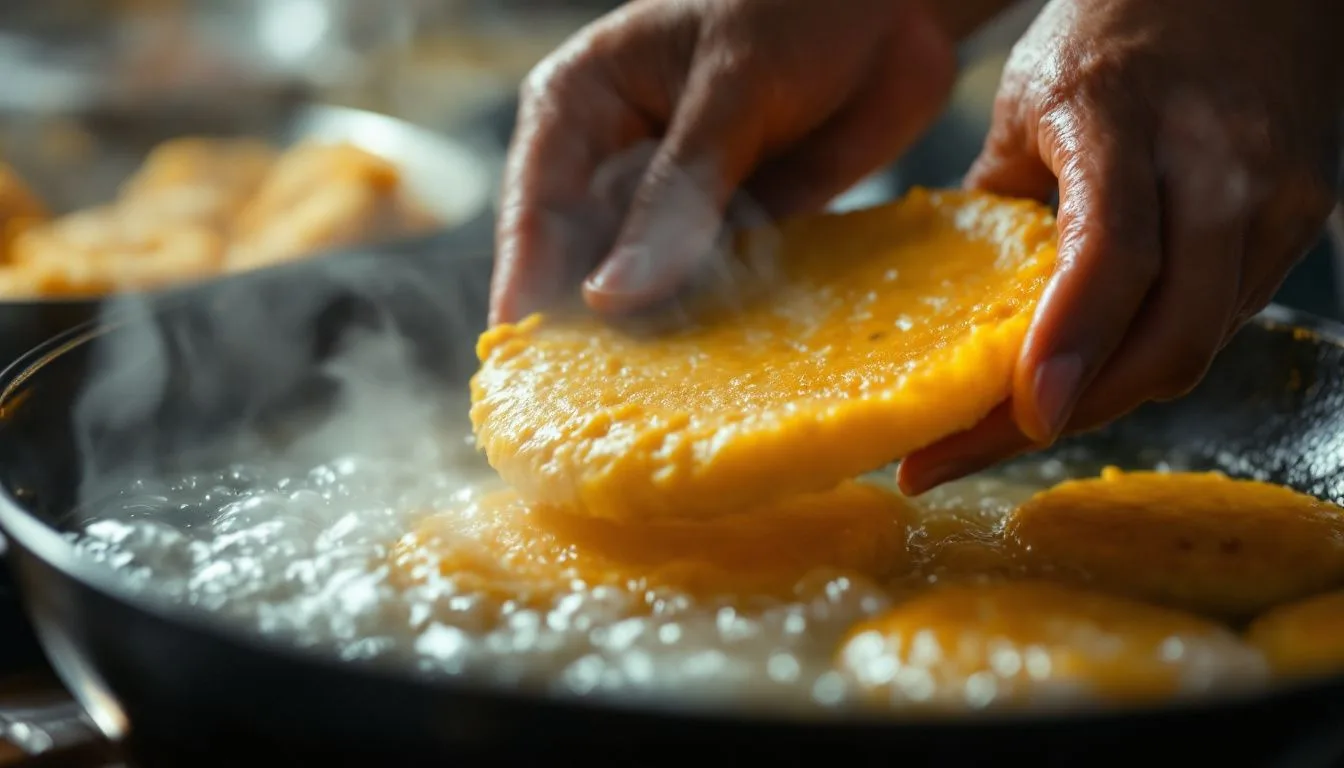
- Test your oil. Drop a tiny bit of the mixture in. It should sizzle up steadily within a few seconds, not sink and sulk or burn instantly. Medium-high heat is your friend.
- Shape with wet hands. Keep a small bowl of water nearby to dampen your palms. Flatten each ball into a thick disc — not too thin, or it'll just be a crisp with no soul.
Don't skip the aromatics
Onions, ginger, green chilies, curry leaves, fresh coriander. That's the holy quintet. Slice the onions thin and short so they cook through and crisp up at the edges rather than poking out raw. The curry leaves should be roughly torn and folded in raw — they perfume the whole batch as they fry. If you can get your hands on a few mint leaves too, throw them in. It's not traditional everywhere, but the freshness is lovely.
How to serve them
Honestly? Hot, straight from the oil, with a cup of strong masala chai. That's peak parippu vada. But if you want to make a spread of it, coconut chutney is the classic partner, and a sharp tomato-onion chutney works beautifully too. Some people tuck a vada into a soft bun with a smear of chutney for an impromptu sandwich, which sounds odd until you try it.
They're best eaten within an hour of frying. They do lose their crunch as they sit, so fry in batches and serve as you go if you can. Leftover vadas can be crumbled into a quick upma or even crushed over a salad for crunch — waste not.
A few things that can go wrong
If your vadas are falling apart in the oil, the mixture is too wet or too coarse with no binding paste — grind a bit more of the dal smooth to act as glue. If they're hard as rocks, you've probably ground everything too fine or added too much water. And if they're greasy, your oil wasn't hot enough. Fix the heat and the next batch will thank you.
Make a double batch. I'm serious. These vanish faster than you'd believe, and the dal is cheap. Your future self, watching the rain with a fresh pile of lentil fritters, will be grateful.
Get more recipes like this
Weekly recipe inspiration delivered to your inbox. No spam, ever.
Comments
Sign in to leave a comment.
Sign In