Spicy Sri Lankan Mutton Curry: A Traditional Recipe Worth Mastering
 English
 Sinhala
Jun 25, 2026
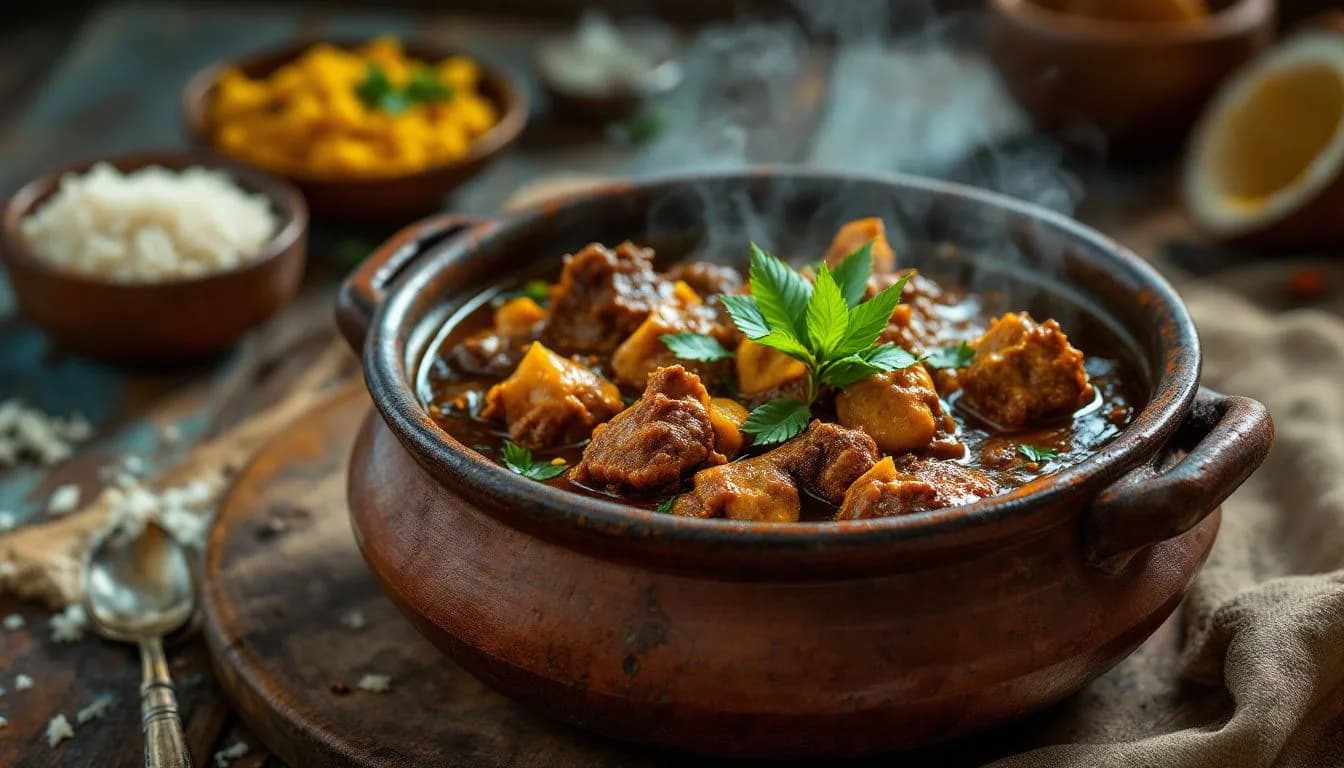
There's a particular smell that takes me straight back to my grandmother's kitchen in Kandy — roasted curry powder hitting hot coconut oil, the sharp hiss of mustard seeds, and somewhere underneath it all, the slow, deep aroma of mutton softening in a clay pot. If you've ever eaten a proper Sri Lankan mutton curry, you know it's not a quick weeknight thing. It's a labour of love, and it rewards patience like few dishes do.
This isn't your average curry. Sri Lankan cooking has its own personality — darker, hotter, and far more layered than the milder curries people often expect. We toast our spices until they're almost black, we lean hard on cinnamon and curry leaves, and we're not shy with chilli. Mutton (which, in Sri Lanka, usually means goat) holds up beautifully to all of it. The meat takes time to become tender, but that long simmer is exactly what lets the gravy turn thick, glossy, and absurdly fragrant.
Why mutton, and why this matters
Goat meat is lean and full of flavour, but it can turn rubbery if you rush it. The trick is low heat and time — there's no shortcut. Back home, this curry shows up at celebrations, weddings, and lazy Sunday lunches where the whole family piles around one table. It's the dish people quietly judge a cook on. Get it right and you'll never live it down in the best way.
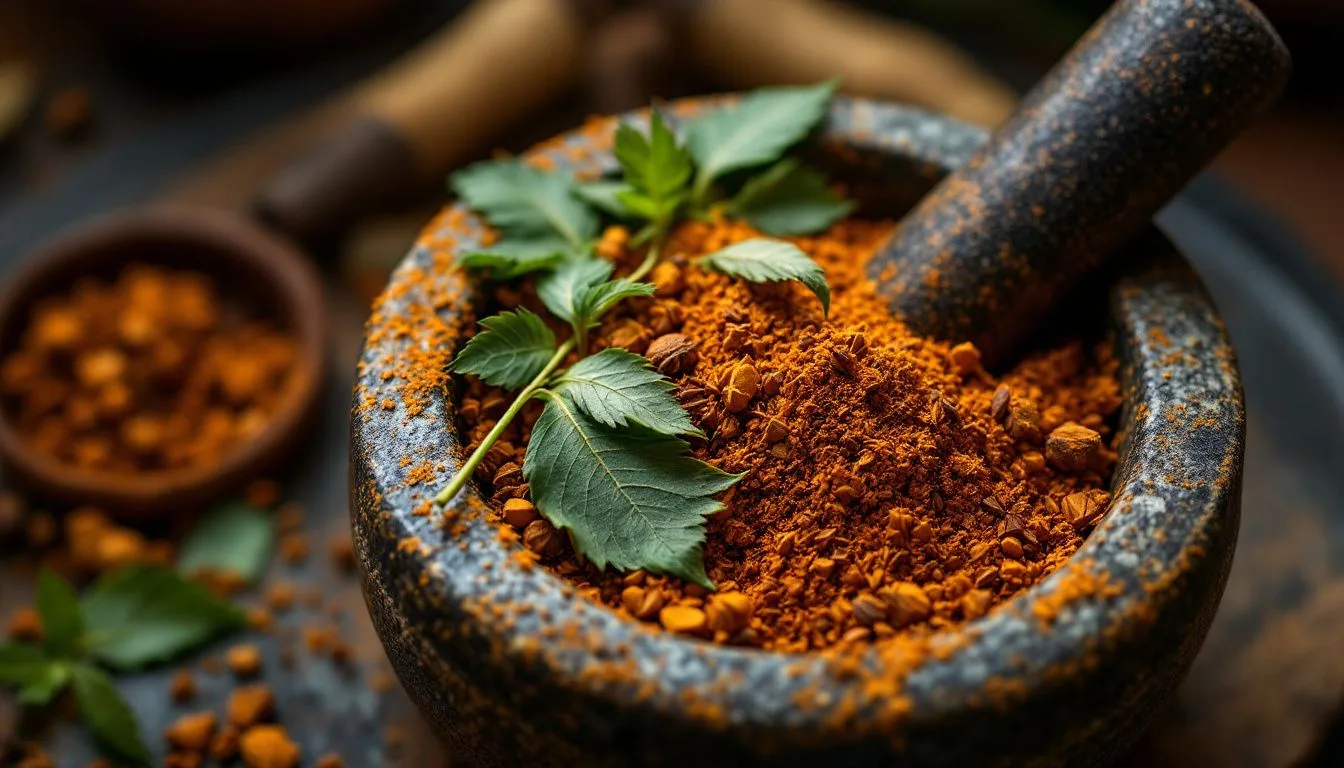
The roasted curry powder is the soul of this dish. If you can grind your own, do it — the difference is night and day.
A quick note on that roasted spice blend, or thuna paha. Unroasted curry powder is bright and earthy; roasted is smoky, almost coffee-coloured, and gives Sri Lankan curries their signature depth. Most South Asian grocers stock a Sri Lankan roasted blend. If yours doesn't, dry-toast coriander, cumin, fennel, and a few curry leaves in a pan until fragrant and dark, then grind.
The supporting cast on your plate
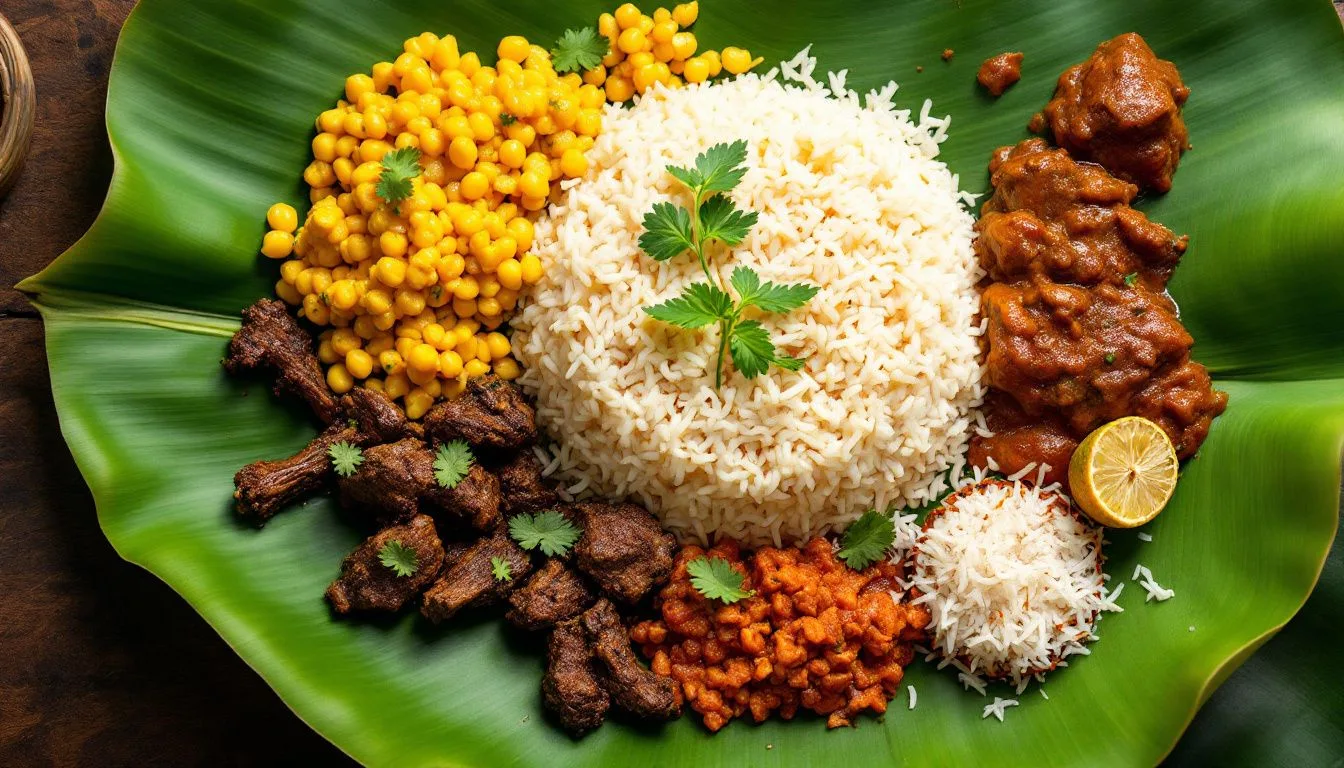
Here's something worth saying upfront — a mutton curry rarely travels alone. On a Sri Lankan table it sits beside rice, a coconut sambol, maybe some greens, and almost always a comforting bowl of Sri Lankan dhal curry. That creamy, turmeric-yellow lentil dish is the gentle counterweight to all this fire. The mutton brings the heat and intensity; the dhal cools your mouth and stretches the meal. If you're cooking the full spread, get your dhal going while the mutton simmers — it's forgiving and takes maybe twenty minutes.
I genuinely think people underrate how important balance is in a Sri Lankan meal. You're not meant to eat the mutton curry on its own in big spoonfuls. You build a little bit of everything onto your rice, and the magic is in the mix.
A few honest tips before you start
- Don't skip the bone. Bone-in mutton gives the gravy body and richness you simply can't fake with boneless cubes.
- Toast your spices properly. When the kitchen starts smelling like a spice market, you're close. Burnt is bitter, so keep the heat moderate and stir constantly.
- Coconut milk goes in last. Add it too early on high heat and it can split. Lower the flame, stir it through, and let it warm gently.
- Taste at the end. Goat varies in fattiness and flavour. You might need a touch more salt, a squeeze of lime, or an extra pinch of chilli.
One more thing I've learned the hard way — this curry is better the next day. The flavours settle overnight and the meat soaks up the gravy even more. If you can resist, make it ahead. Honestly, I rarely can.
The heat question
Sri Lankan food has a reputation for being seriously spicy, and this curry earns it. But heat isn't the same as pain. The chilli should bloom slowly and warm you up, not make you reach for water in panic. Start with less if you're unsure — you can always add more, and the coconut milk and dhal on the side will temper things nicely. My uncle likes his so hot it makes him sweat through his shirt. I do not recommend matching him.
Serving it like you mean it
Spoon the curry over hot steamed rice — basmati or a short-grain red rice both work. Add a generous scoop of dhal alongside, a sharp pol sambol for crunch and lime, and maybe some sauteed greens. Roti or string hoppers work too if you want to lean fully into the experience. Eat with your fingers if you're feeling traditional; the food tastes different that way, and I'm convinced it tastes better.
Mastering this curry takes a couple of goes. My first attempt was watery and underspiced, and the meat was tough because I got impatient. The second time I let it simmer for nearly two hours and it transformed. So give yourself grace, take the time, and trust the process. Once you nail it, you'll have a dish that tastes like a celebration — the kind of thing that makes people go quiet at the table for all the right reasons.
Get more recipes like this
Weekly recipe inspiration delivered to your inbox. No spam, ever.
Comments
Sign in to leave a comment.
Sign In