Spicy Sri Lankan Mutton Curry: A Traditional Recipe Worth Mastering
 English
 Sinhala
Jun 25, 2026
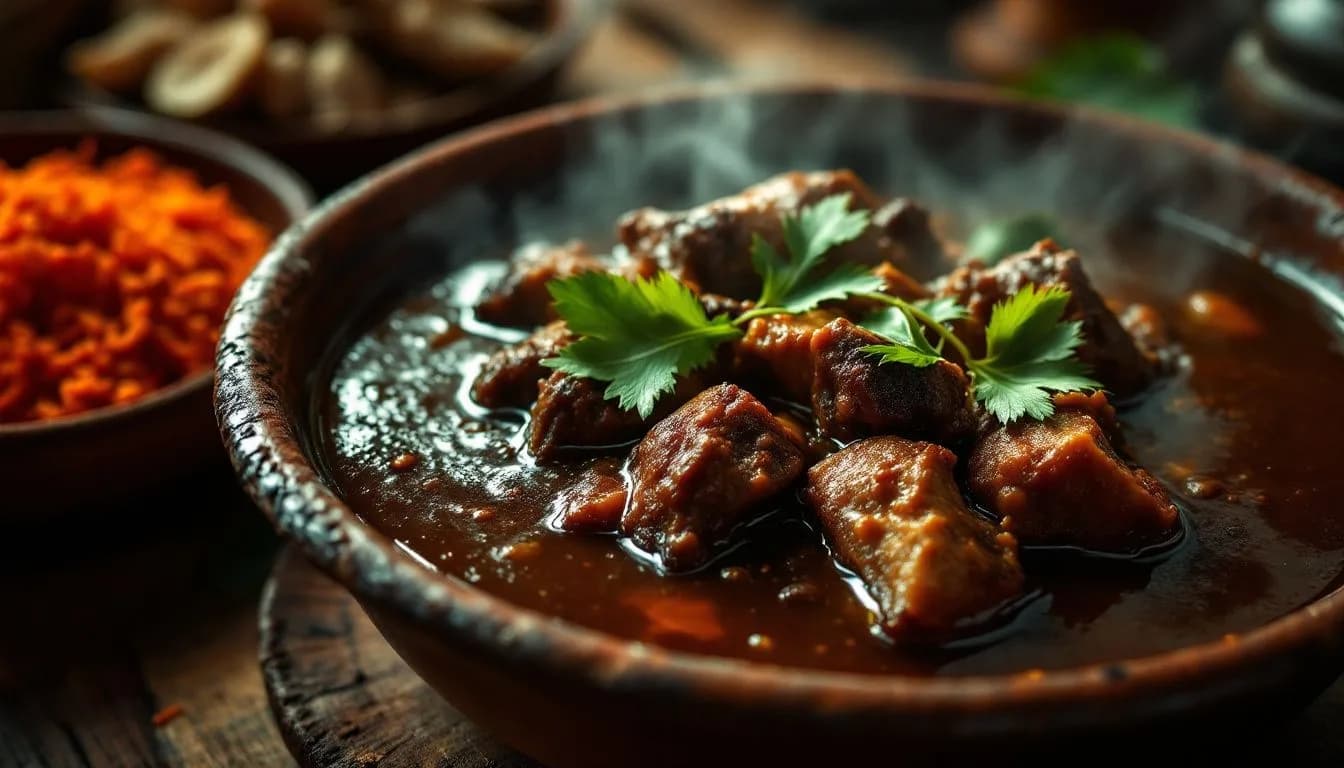
The first time I cooked a proper Sri Lankan mutton curry, I burned the spices, drowned everything in coconut milk, and ended up with something more like a stew than a curry. My aunt, who grew up in Galle, tried a spoonful, raised an eyebrow, and said, 'You forgot to roast the curry powder.' That was the whole problem. And it taught me the one lesson that separates a forgettable dish from one that makes people go quiet at the table.
If you've only ever had Indian or Thai curries, a Sri Lankan mutton curry is going to surprise you. It's darker, smokier, and built around a roasted spice blend that hits you with depth before the heat even arrives. This is the kind of dish that simmers slowly on a Sunday, fills the whole house with the smell of toasted coriander and curry leaves, and tastes even better the next day.
What makes a Sri Lankan mutton curry different
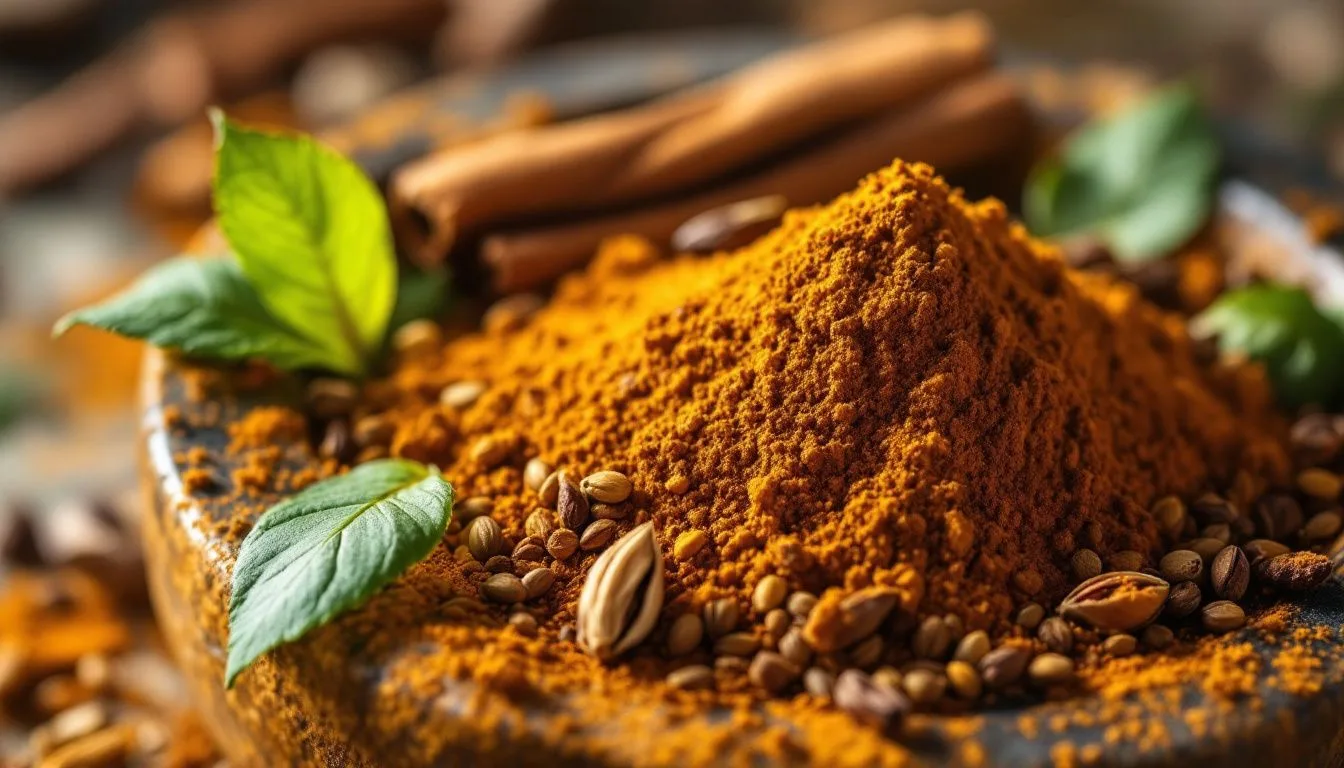
The secret is roasted Sri Lankan curry powder. Most cooks on the island dry-roast their coriander, cumin, and fennel until they turn a deep chocolate brown before grinding. That toasting is what gives the gravy its almost coffee-like richness. Skip it, and you've got something perfectly fine but plainly missing the soul of the dish.
Then there are the supporting players you might not have in your cupboard yet:
- Curry leaves — fresh ones, ideally. They smell faintly of citrus and toasted nuts and there's no real substitute.
- Pandan leaf (rampe) — a knotted strip dropped into the pot for a grassy, vanilla-ish aroma.
- Goraka — a sour dried fruit that adds tang. Tamarind works if you can't find it.
- Roasted Ceylon curry powder — the backbone of the whole thing.
- Maldive fish flakes — optional, but they add a salty, umami punch that locals swear by.
'Mutton' here usually means goat, though older recipes used actual lamb or mutton. Goat holds up beautifully to long, slow cooking and won't fall apart into mush. If goat's hard to find, bone-in lamb shoulder is a great stand-in. Don't use lean, boneless cubes — the bones and the fat are where the flavour lives.
Ingredients you'll need
This feeds about four hungry people with rice on the side.
- 1 kg bone-in goat or lamb, cut into chunks
- 2 tbsp roasted Sri Lankan curry powder
- 1 tsp ground turmeric
- 1–2 tbsp red chilli powder (adjust to your nerve)
- 2 large onions, finely sliced
- 6 cloves garlic and a thumb of ginger, crushed into a paste
- 2 tomatoes, chopped
- A sprig of fresh curry leaves and a knot of pandan leaf
- 1 cinnamon stick, 4 cardamom pods, 3 cloves
- 1 cup thick coconut milk
- A piece of goraka or a tablespoon of tamarind paste
- Salt, and coconut oil for cooking
How to make it
Start by marinating the meat. Toss the goat with the curry powder, turmeric, chilli, a good pinch of salt, and the garlic-ginger paste. Let it sit for at least an hour. Overnight in the fridge is better if you can plan ahead — the meat soaks up all that colour and spice.
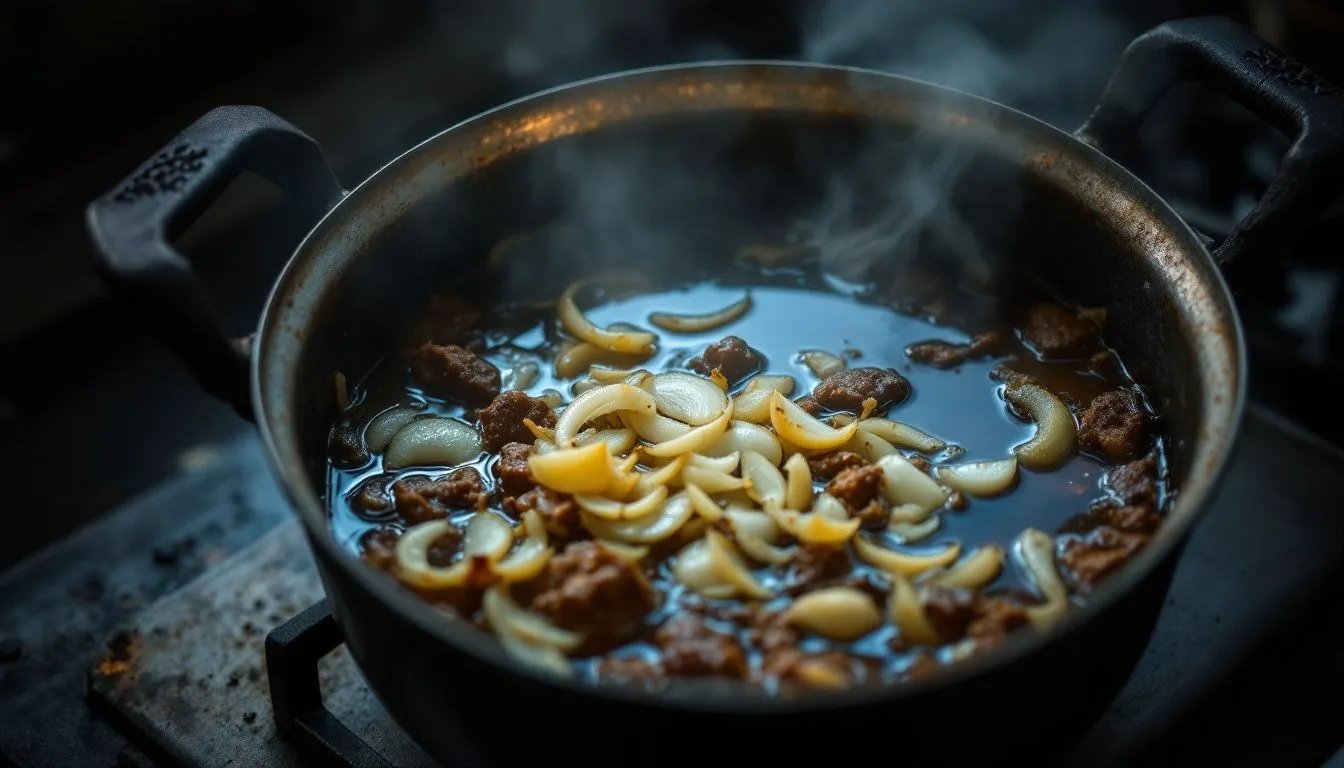
Heat coconut oil in a heavy pot. Once it shimmers, throw in the cinnamon, cardamom, and cloves. Give them a few seconds until they're fragrant, then add the onions, curry leaves, and pandan. Cook the onions slowly until they're soft and going golden at the edges. Patience here pays off — rushing this step is the difference between a flat curry and a layered one.
Now add the marinated meat. Let it brown a little, turning so every side catches some heat. Stir in the tomatoes and the goraka, then add just enough hot water to barely cover everything. Bring it up to a simmer, drop the lid on, and walk away — well, almost. Stir it every fifteen minutes or so.
This is a slow dish. Goat needs anywhere from 90 minutes to two hours to go properly tender. You're looking for meat that pulls cleanly off the bone but still has a bit of bite. When it's nearly there, pour in the coconut milk, taste for salt, and let it bubble gently for another ten minutes. Don't boil it hard once the coconut's in or it can split.
The gravy should be thick enough to cling to a spoon, glossy with oil rising to the top — that's the sign of a curry that's had its time.
Tips I learned the hard way
Don't be shy with the chilli if you want it authentic — this is meant to be a spicy curry, the kind that makes your forehead bead up a little. But you control the dial, so build up gradually the first time.
If the gravy tastes a touch raw or sharp near the end, it usually needs more time, not more spice. Low and slow fixes most sins. And if you've got the patience, make it a day ahead. Like most braises, a Sri Lankan mutton curry tastes deeper after a night in the fridge, the flavours settling into each other.
One more thing: scoop out the goraka before serving, or warn your guests. Biting into that little sour bomb is a rite of passage in some households, but not everyone enjoys the surprise.
How to serve it
At home, we'd ladle this over steamed red rice with a side of dhal, some sambol made from grated coconut and chilli, and a few crispy poppadoms. String hoppers or roti work just as well for mopping up the gravy. A cold drink helps with the heat — locals reach for a glass of woodapple or just plain water, though a cold lager does the job too.
Mastering this curry isn't about following the recipe to the letter. It's about learning to trust your nose — knowing when the spices are roasted just right, when the onions are soft enough, when the meat is finally ready. Cook it a few times and it stops being a recipe and starts being yours. That's the point.
Get more recipes like this
Weekly recipe inspiration delivered to your inbox. No spam, ever.
Comments
Sign in to leave a comment.
Sign In