How to Make Walithalapa: The Sri Lankan Sweet That Tastes Like Childhood
 English
 Sinhala
Jun 25, 2026
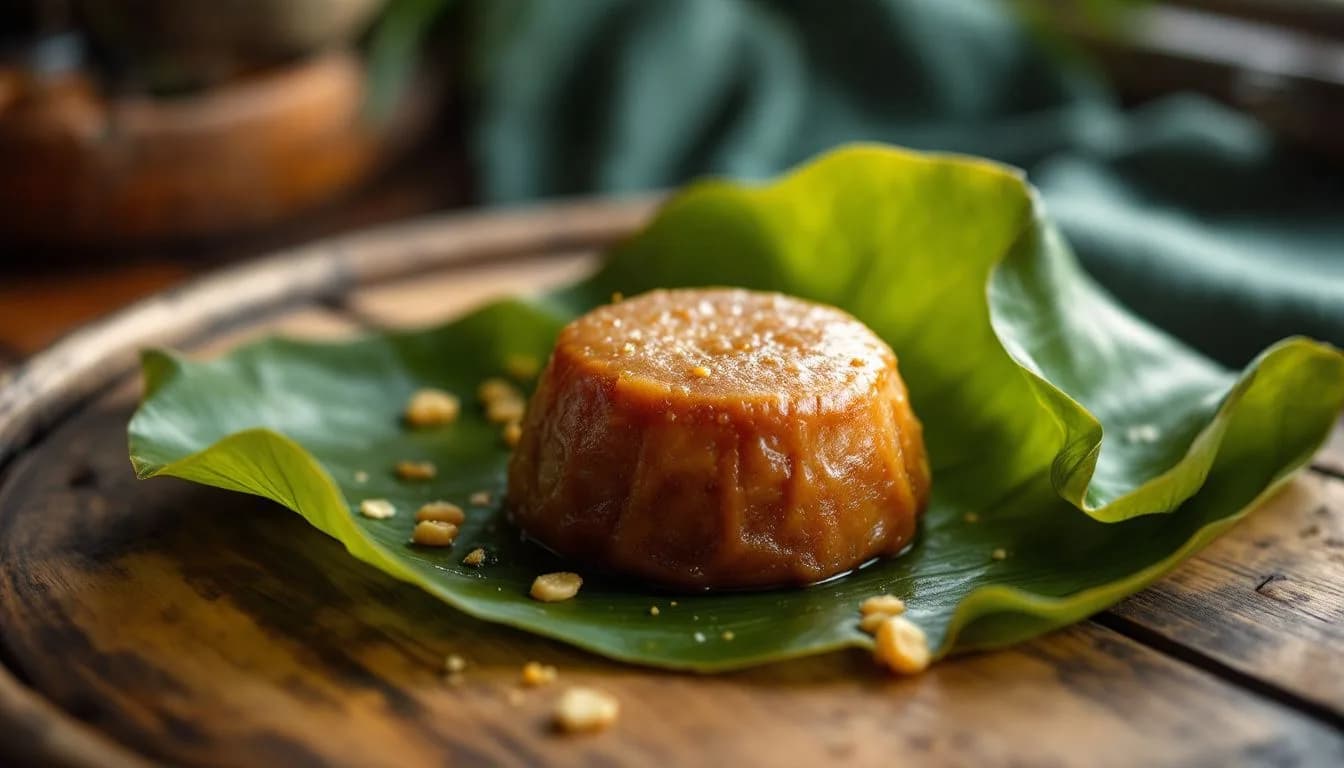
The first time I had walithalapa, I was sitting on a low stool in my grandmother's kitchen in Galle, peeling the banana-leaf wrapper off a warm, dark little parcel that smelled of jaggery and coconut. It was sticky, rich, faintly smoky from the leaf, and gone in about four bites. I asked for another. She laughed and said I'd have to learn to make it myself one day. Years later, I finally did.
If you've never come across it, walithalapa is a traditional Sri Lankan steamed sweet made from rice flour, coconut milk, and kithul or palm jaggery, wrapped in banana leaf and steamed until it sets into something between a dense pudding and a soft cake. It's humble food. No fancy equipment, no hard-to-pronounce techniques. But getting it right takes a little patience and a feel for the batter.
What gives walithalapa its character
The flavour lives and dies on the jaggery. Real kithul jaggery, made from the sap of the fishtail palm, has a smoky, almost caramel depth that white sugar can never fake. If you can get it, use it. Palm or coconut jaggery works too. Avoid plain sugar unless you genuinely have no other option — it'll taste fine, but it won't taste like the real thing.
The banana leaf isn't just packaging, either. As the parcels steam, the leaf releases a grassy, slightly tannic aroma into the batter. That's the smell that hit me in my grandmother's kitchen. If you only have aluminium foil, you can use it in a pinch, but you lose that signature perfume.
My one rule: warm the banana leaf over a flame for a few seconds until it turns glossy and pliable. Cold leaf cracks the moment you fold it.
How to make walithalapa step by step (the short version)
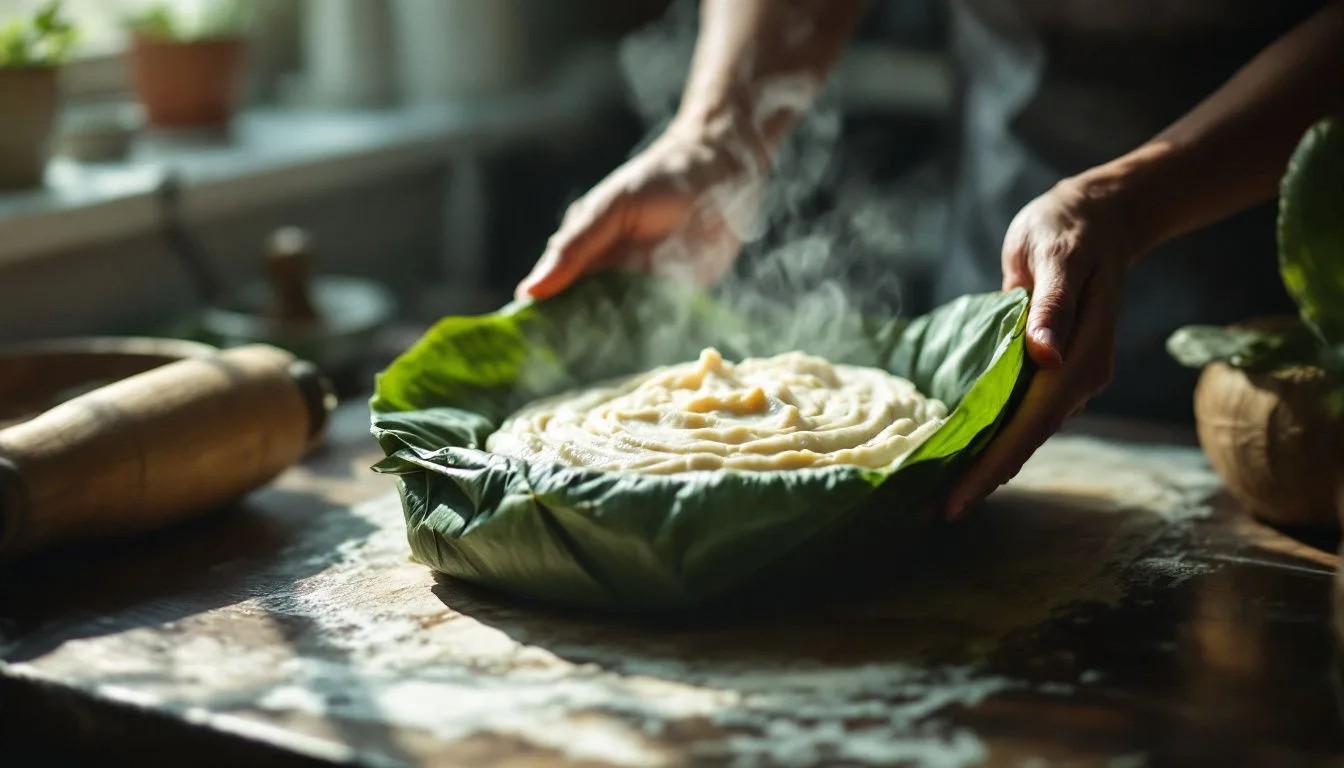
The full method is in the recipe card below, but here's the rhythm of it so you know what you're getting into. You melt the jaggery into a syrup, strain out the grit, then whisk it into rice flour and thick coconut milk until you've got a smooth, pourable batter — somewhere around the thickness of pancake batter. A pinch of cardamom and a little salt round everything out.
Then you spoon the batter onto squares of softened banana leaf, fold them into neat little parcels, and steam them for around 30 to 40 minutes. They start out loose and finish firm, glossy, and deeply fragrant.
The mistakes I made so you don't have to
My first batch was a soupy disaster. I'd guessed at the coconut milk and ended up with batter that never set. The fix is simple: keep the batter thick. It should ribbon off the spoon and slowly sink back, not run like water. If in doubt, add a spoon more rice flour.
My second batch was the opposite — rubbery and tight, because I'd packed too much flour and steamed it too long. Walithalapa should have a gentle wobble when it comes out. It firms up more as it cools, so pull it before it feels completely solid.
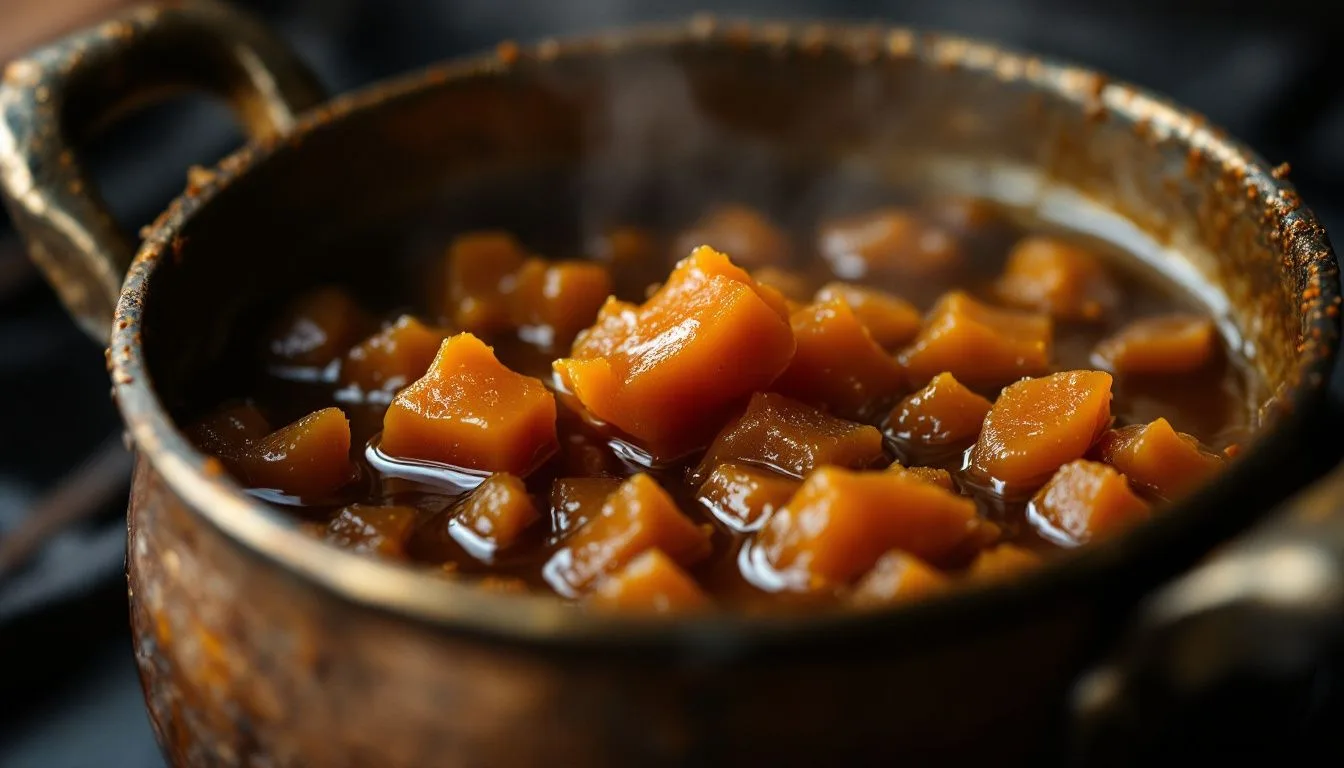
And don't skip straining the jaggery syrup. Palm jaggery often has bits of bark and sediment in it, and nobody wants a crunchy surprise in a soft sweet.
Serving and storing
Walithalapa is best slightly warm, when the texture is at its softest and the jaggery is fragrant. I like it with a strong cup of plain tea in the late afternoon — that's the traditional time for it back home. Some people drizzle a little extra coconut milk over the top, though I think it's perfect on its own.
It keeps for a couple of days at room temperature, wrapped in its leaf, and even longer in the fridge. Cold from the fridge it tightens up, so give it ten seconds in the microwave or a quick re-steam to bring back the softness. A batch rarely lasts that long in my house, mind you.
Once you've made it once, you'll stop measuring so carefully and start trusting your hands — the way the batter feels, the way the parcels firm up. That's when it really starts tasting like the thing you remember.
Get more recipes like this
Weekly recipe inspiration delivered to your inbox. No spam, ever.
Comments
Sign in to leave a comment.
Sign In