How to Make Kiribath (Sri Lankan Milk Rice) the Right Way
 English
 Sinhala
Jun 26, 2026
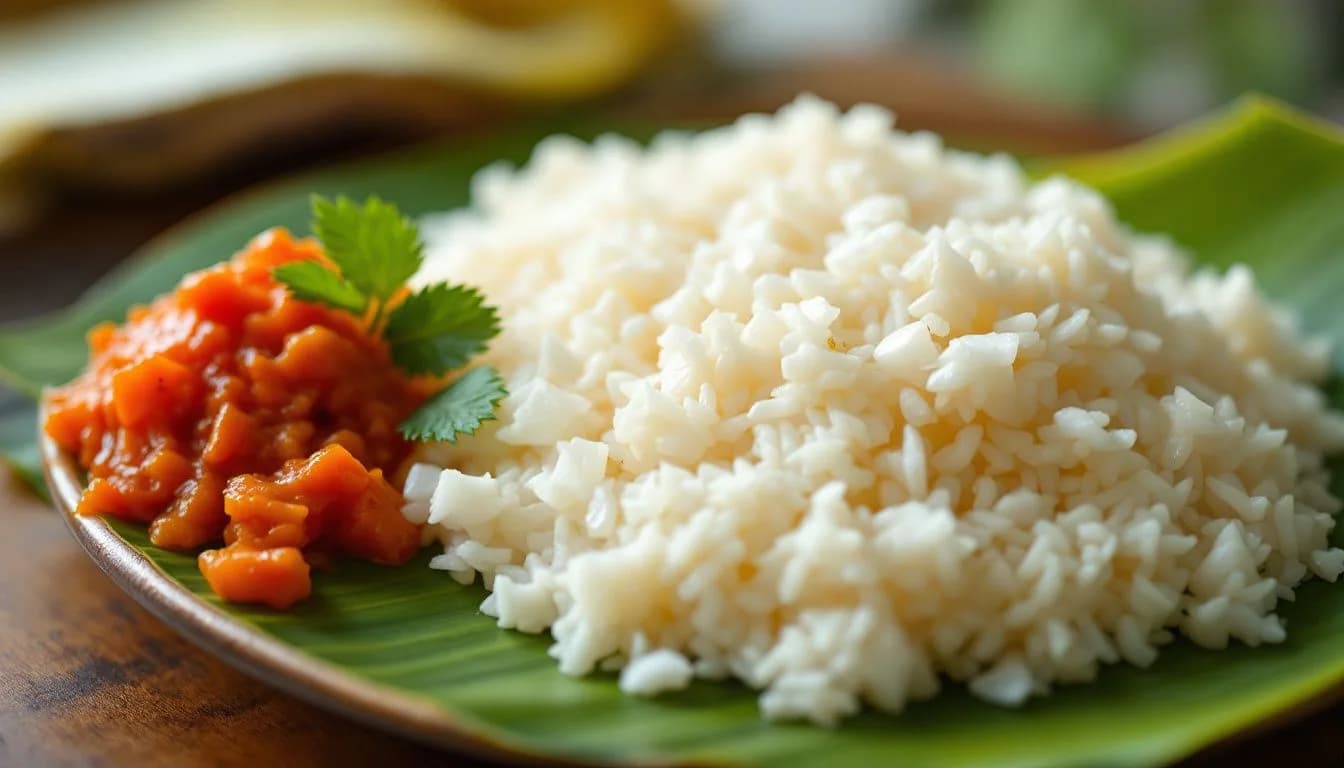
If you grew up in a Sri Lankan household, you already know that kiribath shows up at every important moment. New Year mornings, the first day of the month, a baby's first taste of solid food, a new house, a new job. It's the dish that says something good is happening here. And the funny part is, it's also one of the simplest things you'll ever cook. Rice, coconut milk, a pinch of salt. That's basically it.
I learned to make milk rice standing next to my grandmother, who measured nothing and somehow nailed it every single time. She'd press the cooked rice flat into a tray, smooth the top with the back of a wet spoon, and cut those neat diamond shapes that everyone fights over. Took me years and a few gluey, soupy disasters before I figured out what she was doing without saying.
What kiribath actually is
Kiribath literally means 'milk rice' — kiri for milk, bath for rice. The 'milk' here is thick coconut milk, not dairy, which throws off a lot of first-timers. You cook short-grain rice until it's soft, then finish it in coconut milk so it turns rich and slightly sticky. When it cools, it sets enough to slice into firm diamonds. The texture sits somewhere between a creamy risotto and a sliceable cake, and that contrast is the whole point.
It's usually served at room temperature, never piping hot. Cold from the fridge the next morning is honestly my favorite way to eat it, even if purists frown at that.
Picking your ingredients
The rice matters more than people think. You want a short or medium-grain white rice that goes soft and a little sticky — something like a samba or a kekulu rice if you can find it at a Sri Lankan or Indian grocer. Basmati is the wrong call here; it's too dry and separate, and your milk rice won't hold together when you cut it.
For the coconut milk, fresh-pressed thick coconut milk is the dream. Canned full-fat coconut milk works perfectly well and is what I use on a busy morning. Just don't grab the 'lite' version — you need the fat to get that glossy, rich finish. And don't forget the salt. Kiribath without enough salt tastes flat and oddly sweet, even though there's no sugar in it.
The two-stage method that never fails
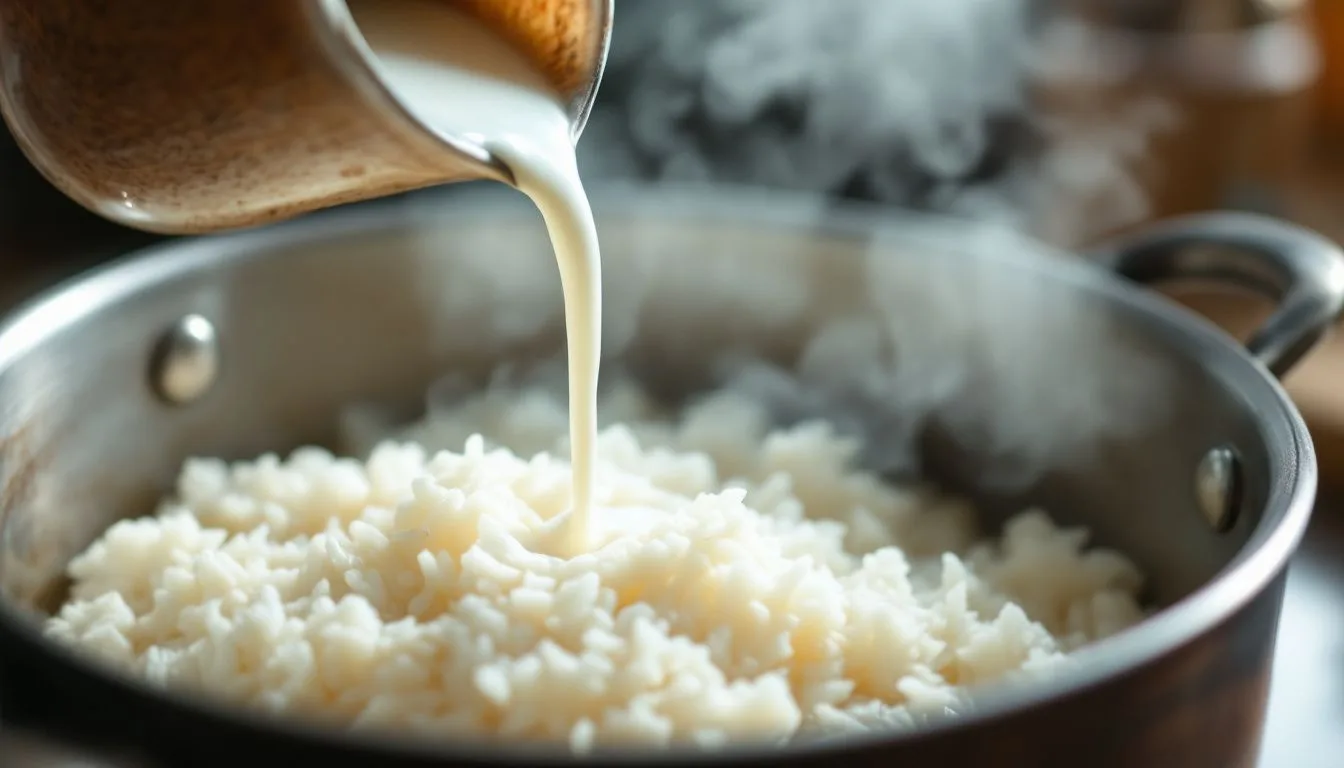
The trick I picked up from my grandmother is to cook the rice in water first, almost all the way through, before adding the coconut milk. If you dump everything in together, the fat slows the rice from softening and you end up cooking it forever, scorching the bottom. So: water first, then coconut milk at the end.
You'll know it's ready when the coconut milk has been mostly absorbed and the rice looks thick, creamy, and pulls away from the sides of the pot when you stir. Keep stirring near the end so the bottom doesn't catch. It happens fast.
The setting is everything. Press it down while it's hot, let it cool completely, then cut. Rush it and you'll get a sad, crumbly mess.
Shaping and cutting
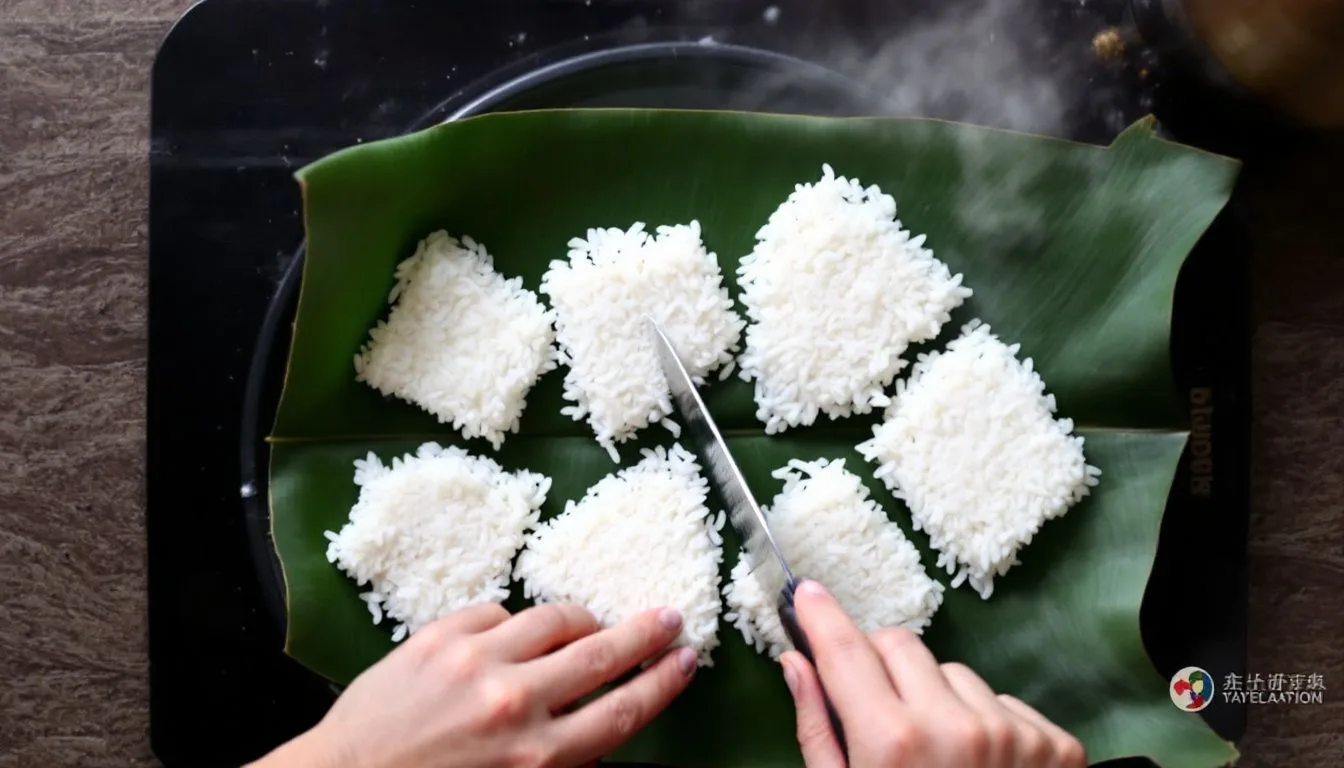
Tip the hot rice into a flat dish or tray and flatten it to about an inch thick using a banana leaf, parchment, or just the back of a spoon dipped in water so it doesn't stick. Let it sit for 15 to 20 minutes to firm up. Then cut on the diagonal one way, then the other, to get those classic diamonds. A wet knife gives clean edges.
What to serve with it
Plain kiribath is a blank canvas, and the company you keep it in is what makes the meal. The classic pairing is lunu miris — a fiery sambol of pounded red onion, dried chili, Maldive fish, and lime. The heat against the cool, mild rice is the reason Sri Lankans go quiet when they eat it.
For a sweeter table, serve it with jaggery (palm sugar), a drizzle of treacle, or ripe banana. Some families do both a sweet side and a spicy side so everyone's happy. On New Year, you'll see it next to kavum, kokis, and a pot of sweet tea.
Tips from a few too many failed batches
- Don't skip rinsing the rice. Two or three rinses clears extra starch so it doesn't turn into paste.
- If your milk rice is too dry and crumbly, you added the coconut milk too late or didn't use enough. Too wet and soupy, and you added it too early.
- Salt the coconut milk, not the cooking water — it distributes more evenly that way.
- Let it cool fully before cutting. I know it's tempting. Wait anyway.
- Leftovers keep two days covered in the fridge. Bring it back to room temp before eating; cold-hard kiribath loses its softness.
Once you've made it a couple of times, you'll stop measuring too. You'll just feel when the rice is right. And then you'll understand why this humble bowl of rice and coconut means so much — it's not fancy, it's not hard, it just tastes like home.
Get more recipes like this
Weekly recipe inspiration delivered to your inbox. No spam, ever.
Comments
Sign in to leave a comment.
Sign In