Garden Veggie Stir-Fry: The Weeknight Dinner That Saves My Crisper Drawer
 English
 Sinhala
Jun 24, 2026
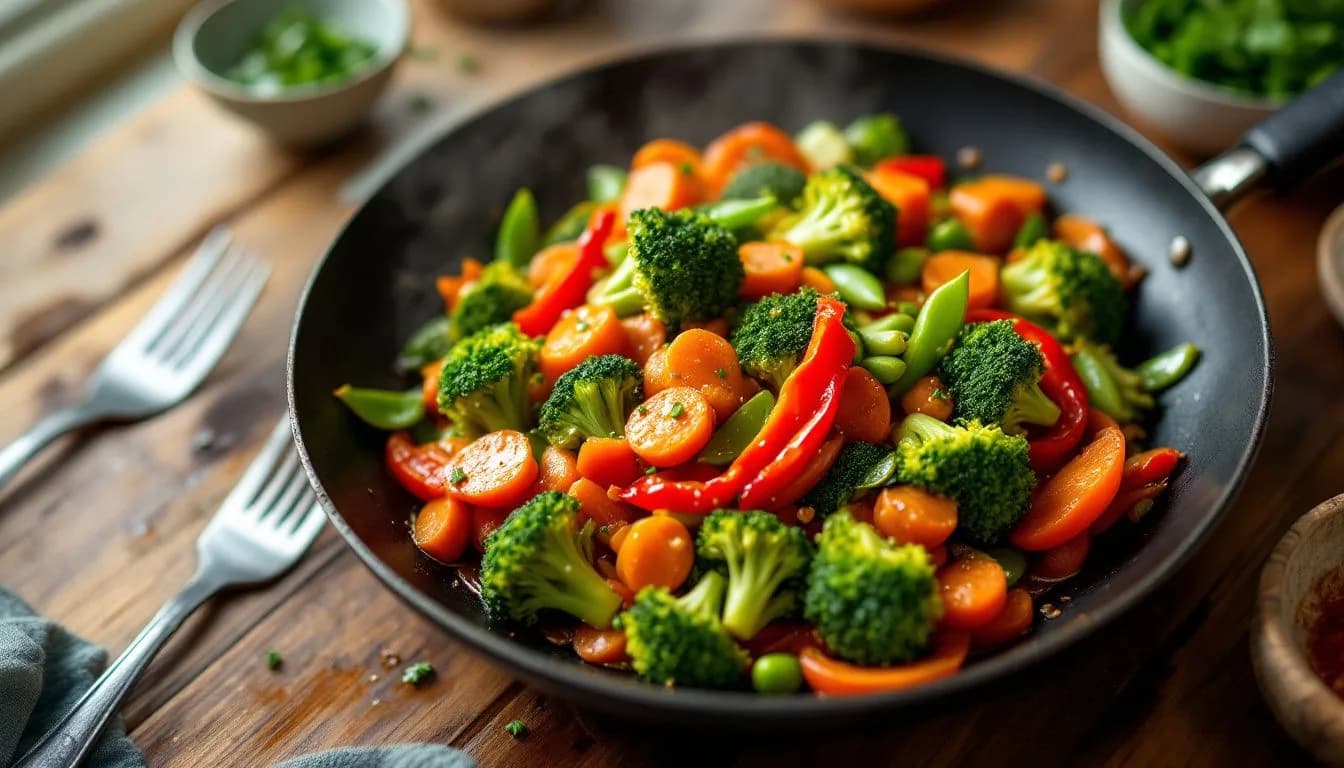
There's a specific kind of guilt that comes from opening the fridge on a Wednesday and finding half a bell pepper going wrinkly, a bunch of carrots that have seen better days, and broccoli that's one day away from yellow. That guilt is exactly why garden veggie stir-fry exists in my kitchen rotation. It's the meal that turns 'we have nothing to eat' into dinner in under twenty minutes.
I started making this on a whim years ago, mostly out of stubbornness about not wasting food. Now it's the thing I cook when I'm tired, when I'm broke, and honestly when I just want something that tastes fresh and a little punchy without much effort. The beauty is that it bends to whatever you've got.
Why this beats takeout
Restaurant stir-fry is great, but it's often swimming in oil and salt, and you have no control over what goes in. When you make a garden veggie stir-fry at home, you decide everything — how crisp the snap peas stay, how much garlic is too much (spoiler: there's no such thing), whether you want it screaming with chili or mellow and savory.
It's also forgiving in a way most recipes aren't. Forgot to buy bok choy? Use cabbage. Out of bell peppers? Toss in zucchini. The technique matters more than the exact lineup of vegetables, and once you've got the technique down, you can improvise forever.
The secret isn't the sauce. It's the heat and the timing. Get your pan ripping hot and don't crowd it, and even plain vegetables taste incredible.
The technique that actually matters
Here's the thing nobody tells you when you're starting out: a soggy stir-fry is almost always a temperature problem. If you dump cold, wet vegetables into a lukewarm pan, they steam instead of sear. You end up with a mushy pile instead of those blistered, slightly charred edges that make the whole thing sing.
So crank the heat. Get your wok or your widest skillet genuinely hot before anything touches it. Cook in batches if your pan is small — overcrowding drops the temperature and ruins the texture. And cut your vegetables to similar sizes so they cook evenly. The carrots and broccoli stems go in first because they're dense; the snap peas and leafy greens come in last because they barely need a minute.
Prep before you turn on the stove
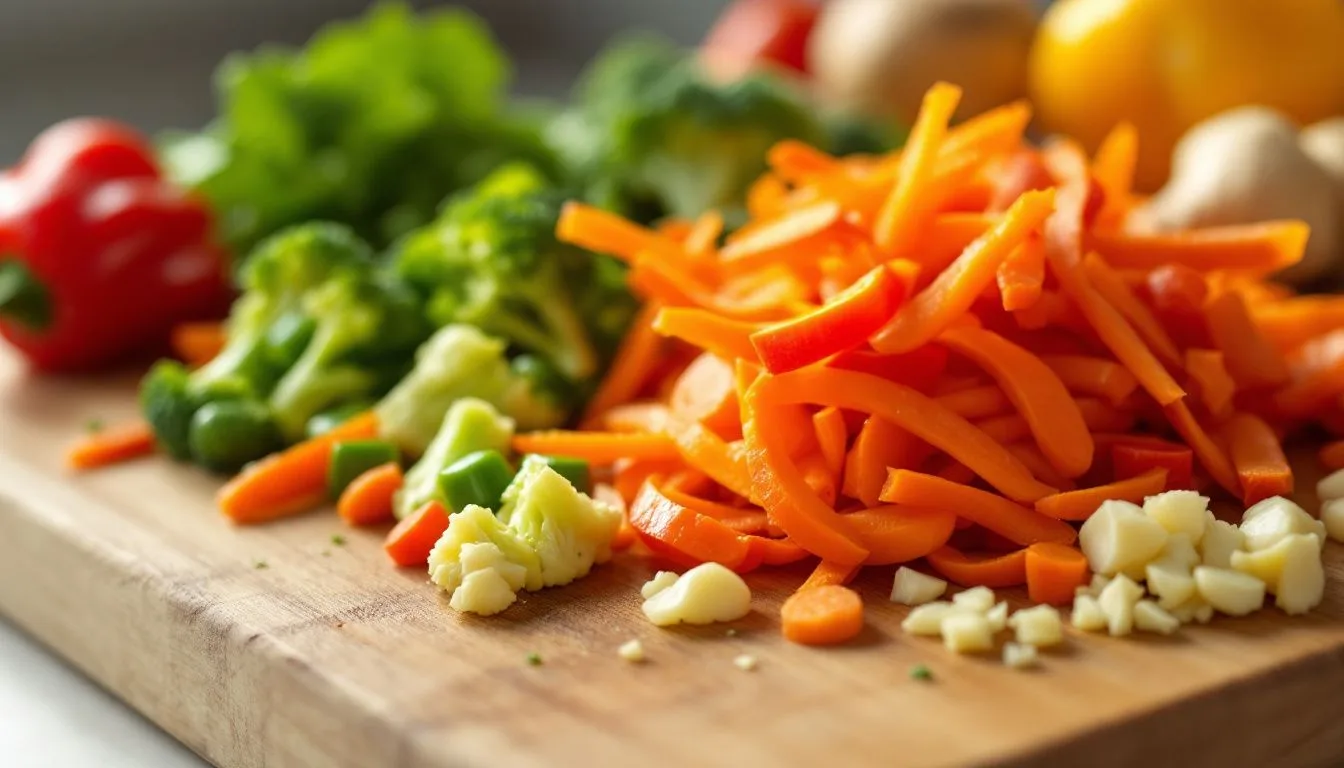
Stir-frying is fast and a little chaotic, so do all your chopping before you light a single burner. Mince the garlic and ginger, slice the peppers, have your sauce mixed and sitting in a bowl ready to pour. Once that pan is hot, you won't have time to be dicing an onion. This is the part people skip, and then they panic when the garlic burns while they're still cutting carrots.
What goes in mine
I lean on a rotating cast of broccoli, bell peppers, carrots, snap peas, and whatever's lurking in the crisper — mushrooms one week, baby corn the next, sometimes a handful of spinach thrown in at the very end. Garlic and fresh ginger are non-negotiable for me. They're the backbone of the flavor.
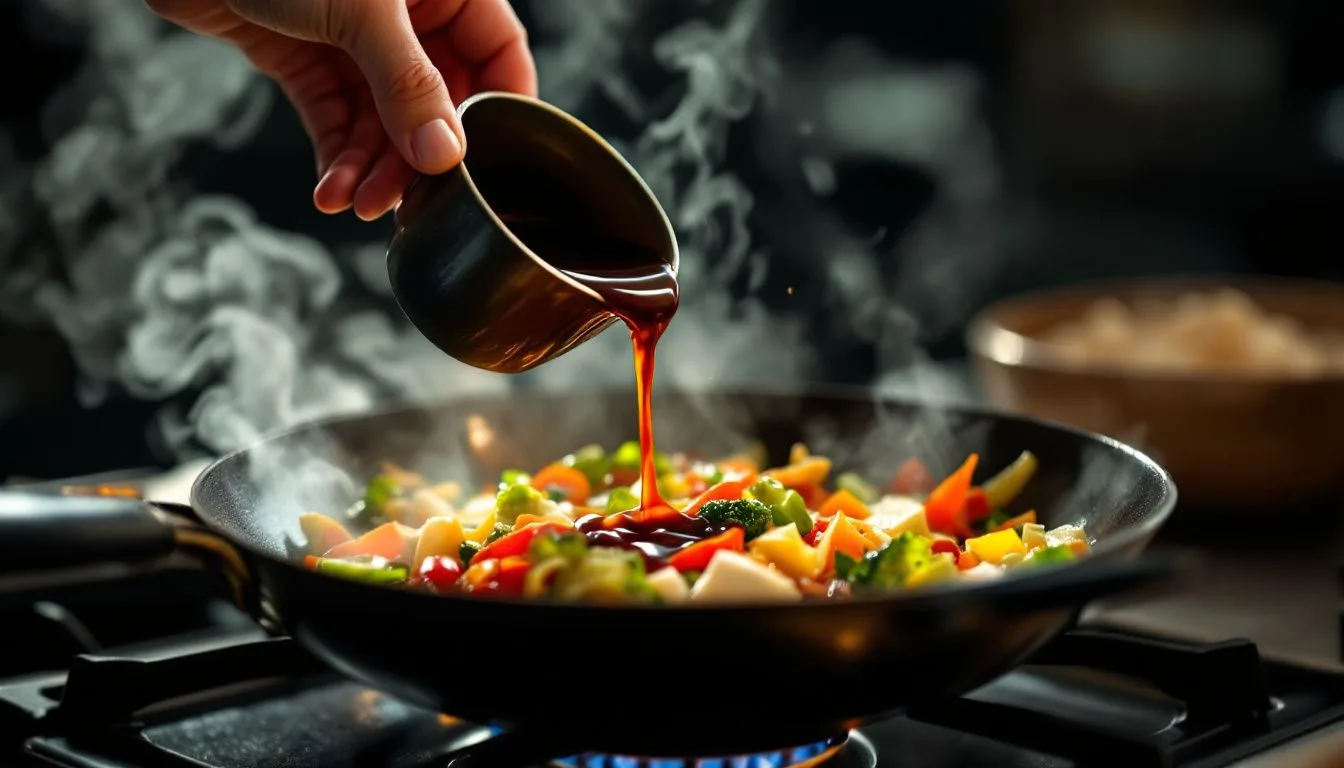
The sauce is simple: soy sauce, a little rice vinegar for brightness, a touch of honey or brown sugar to round it out, and a cornstarch slurry to give it that glossy cling. If I'm feeling it, a splash of sesame oil at the end and some chili flakes for heat. That's it. Nothing fancy, nothing you can't find at any grocery store.
Make it a full meal
On its own, this is a great side or a light dinner. But it's easy to bulk up. Serve it over steamed rice or noodles and you've got a proper meal. Want protein? Stir in cubed tofu, sliced chicken, shrimp, or scrambled egg — just cook the protein first, set it aside, then add it back in at the end so it doesn't overcook.
I usually top mine with a scatter of sesame seeds and some sliced scallions. A squeeze of lime works surprisingly well too if you want it brighter. Leftovers reheat fine the next day, though the vegetables soften a bit — I actually like them folded into fried rice the morning after.
A few hard-won tips
- Pat your vegetables dry if they've been washed. Water is the enemy of a good sear.
- Don't dump the sauce in too early. Add it in the last minute so it thickens and coats without making everything mushy.
- Taste before you serve. Soy sauce brands vary wildly in saltiness, so adjust as you go.
- If you don't have a wok, your biggest, heaviest skillet works fine. Cast iron holds heat beautifully.
This isn't a precious recipe you need to follow to the letter. It's a framework. Once you've made it a couple of times, you'll stop measuring and start cooking by feel — and that's when it really becomes yours. Some nights mine is loaded with seven vegetables; other nights it's just whatever three things I had. It works either way, and it saves my crisper drawer every single time.
Get more recipes like this
Weekly recipe inspiration delivered to your inbox. No spam, ever.
Comments
Sign in to leave a comment.
Sign In