Garden Veggie Stir-Fry: The Fast, Flexible Dinner I Make on Repeat
 English
 Sinhala
Jun 25, 2026
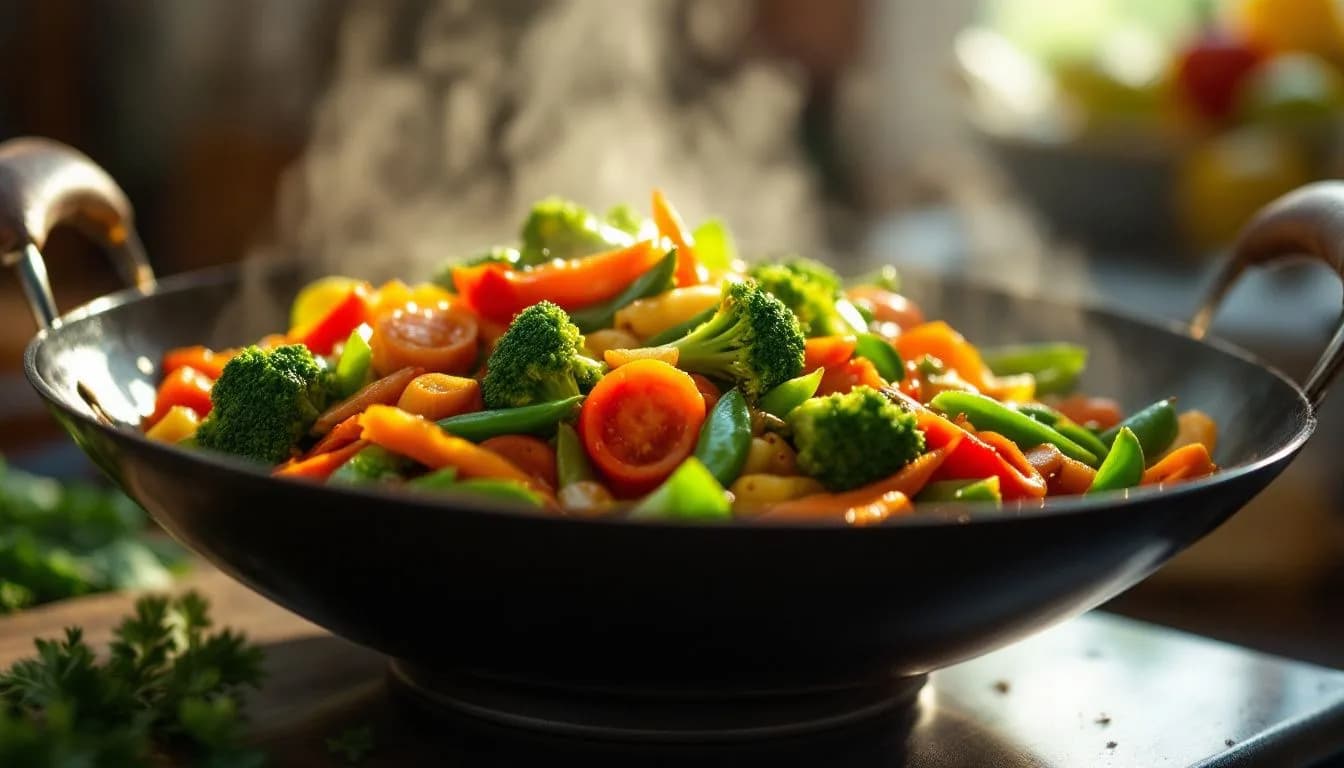
There's a stretch in late summer when my garden goes a little feral. The zucchini won't quit, the peppers are coming in faster than I can eat them, and there's always one droopy bunch of green beans I forgot about. That chaos is exactly why I learned to love a good garden veggie stir-fry. It's the one dinner that turns 'random produce panic' into something that actually tastes like I planned it.
A stir-fry isn't really a recipe so much as a technique with attitude. Get your pan screaming hot, keep the vegetables moving, hit them with a punchy sauce at the end, and you're done before the rice cooker even beeps. I've made this on weeknights when I had zero energy and on Sunday afternoons when I wanted to feel a little fancy. It bends to whatever mood (and whatever fridge) I'm working with.
Why a stir-fry beats most weeknight dinners
Speed is the obvious one. Once everything's chopped, you're maybe eight minutes from a plate. But the real magic is how forgiving it is. Got a half a head of broccoli, three carrots, and a lonely bell pepper? That's dinner. The technique rewards what you already have instead of sending you back to the store.
It's also genuinely good for you without trying too hard. You're eating a pile of vegetables, lightly cooked so they keep their crunch and color, with just enough oil and sauce to make the whole thing crave-worthy. My kids will eat broccoli this way when they'd turn their noses up at it steamed.
The first rule of stir-fry: chop everything before the pan gets hot. Once you start cooking, there's no time to dice an onion.
Pick your vegetables like you're building a band
You want variety in texture and color, not just a heap of one thing. I think of it in three groups. The sturdy stuff goes in first — carrots, broccoli, cauliflower, green beans. Then the middle crowd — bell peppers, snap peas, zucchini, mushrooms. Last, the delicate riders — spinach, bean sprouts, scallions, fresh herbs that just need to wilt.
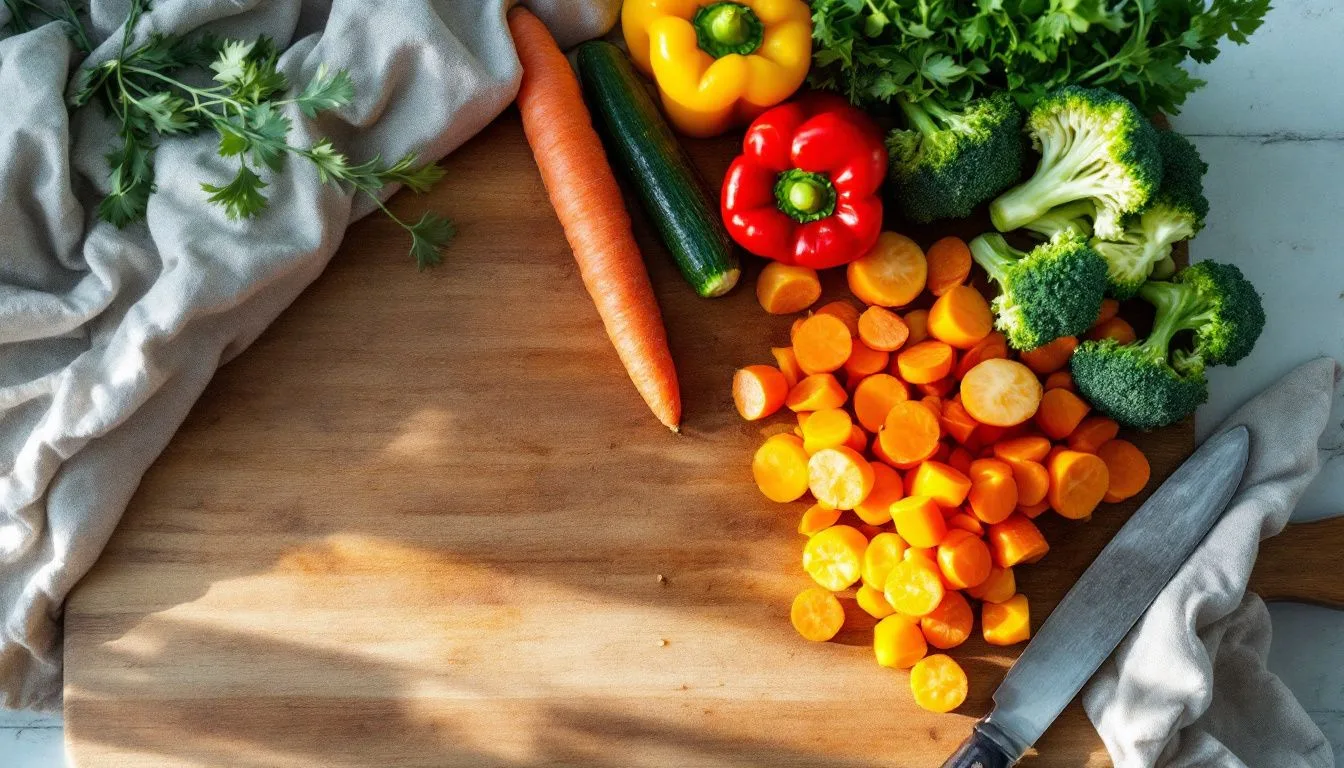
Color matters more than you'd think. A plate that's all green reads as 'health food.' Toss in red pepper, orange carrot, and a few purple cabbage ribbons and suddenly it looks like something you'd actually order out. We eat with our eyes first, and a rainbow on the plate makes the whole thing feel like a treat.
The sauce is where the personality lives
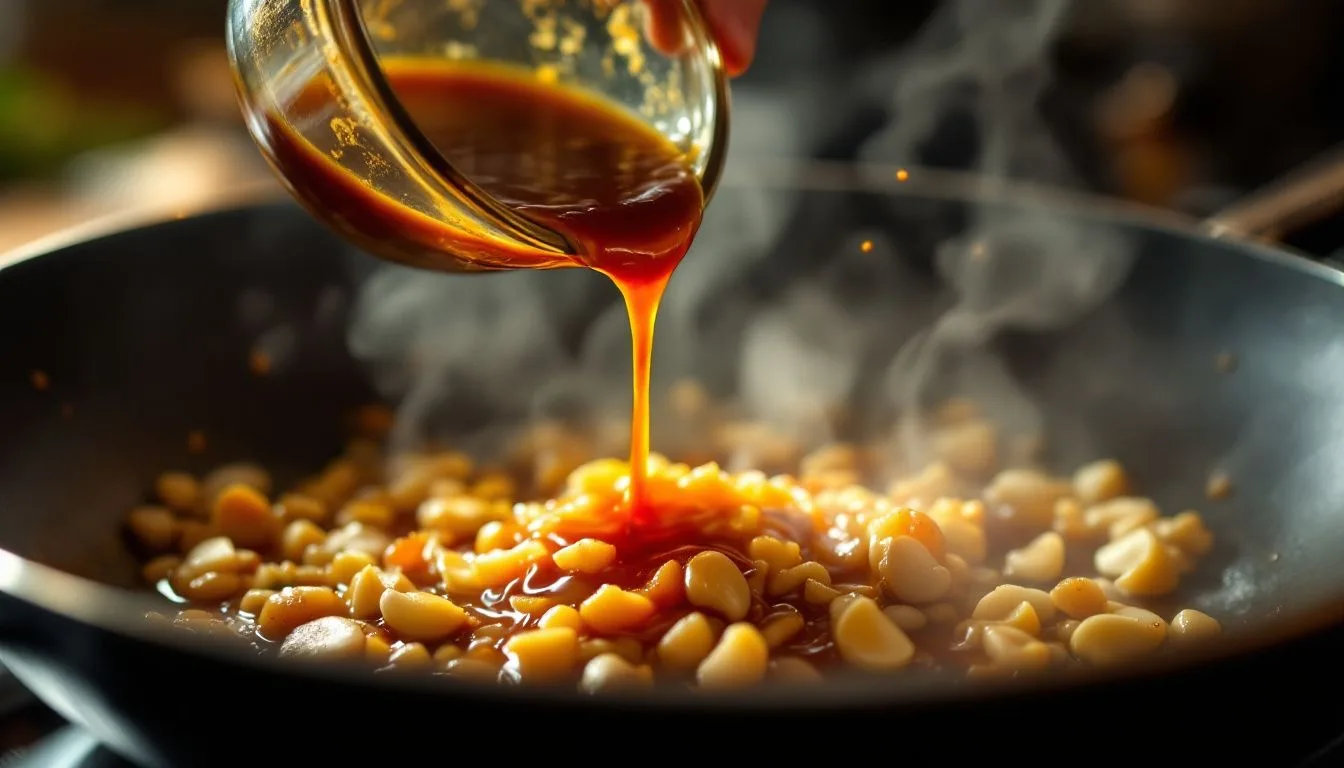
My everyday version is soy sauce, a little rice vinegar, a spoonful of honey, fresh garlic and ginger, and a slurry of cornstarch to give it that glossy cling. That's the backbone. From there I freestyle. A spoonful of chili-garlic sauce when I want heat. A splash of sesame oil at the very end for that nutty hum. Sometimes oyster sauce for depth, or hoisin if I'm feeling sweeter.
The cornstarch trick is the thing most home cooks skip, and it's the difference between a watery pan and a sauce that hugs every floret. Mix a teaspoon of cornstarch with a tablespoon of cold water before it goes anywhere near heat. Pour it in at the end and watch it thicken in seconds.
Heat, oil, and the patience to leave it alone
Here's the counterintuitive part: stir-frying isn't actually constant stirring. You want to let the vegetables sit against the hot metal for a few seconds at a time so they char and pick up that smoky 'wok hei' flavor. Toss, wait, toss, wait. If everything's just sweating and going limp, your pan isn't hot enough or you crowded it.
Crowding is the cardinal sin. Pile too much in and the vegetables steam in their own moisture instead of searing. If you're cooking a big batch, do it in two rounds. I know it feels like extra work, but the texture payoff is real. Use a neutral oil with a high smoke point — avocado, peanut, or plain vegetable oil. Save the good olive oil for your salads.
Little upgrades that make a big difference
A few habits I've picked up over the years that take this from fine to genuinely great:
- Toast your aromatics, don't burn them. Garlic and ginger go bitter fast. Add them when the oil's hot but the vegetables are already mostly cooked, and give them under a minute.
- Finish with something fresh. A handful of chopped cilantro, sliced scallions, or a squeeze of lime wakes the whole pan up.
- Add crunch at the table. Toasted sesame seeds, crushed peanuts, or fried shallots give every bite a little texture surprise.
- Don't sleep on protein. Cubed tofu, an egg scrambled into the rice, edamame, or leftover chicken all slot in easily if you want this to be more of a full meal.
How I serve it
Steamed jasmine rice is the default in my house, but it's just as happy over brown rice, soba noodles, or even cauliflower rice if I'm keeping it light. Leftovers are weirdly good cold the next day, eaten straight from the container while standing at the counter — not that I'd know anything about that.
The beauty of a garden veggie stir-fry is that it never tastes exactly the same twice. June's version with snap peas and asparagus is a different animal from September's zucchini-and-pepper edition. That's not a flaw — that's the point. It keeps a simple dinner from ever getting boring, and it gives whatever your garden (or your produce drawer) is throwing at you a place to land.
Give it a try once and you'll stop thinking of it as a recipe. It becomes a reflex — the thing you reach for when the fridge is full of odds and ends and you've got fifteen minutes to make it all make sense.
Get more recipes like this
Weekly recipe inspiration delivered to your inbox. No spam, ever.
Comments
Sign in to leave a comment.
Sign In