Authentic Sri Lankan Pol Roti: The Coconut Flatbread I Can't Stop Making
 English
 Sinhala
Jun 26, 2026
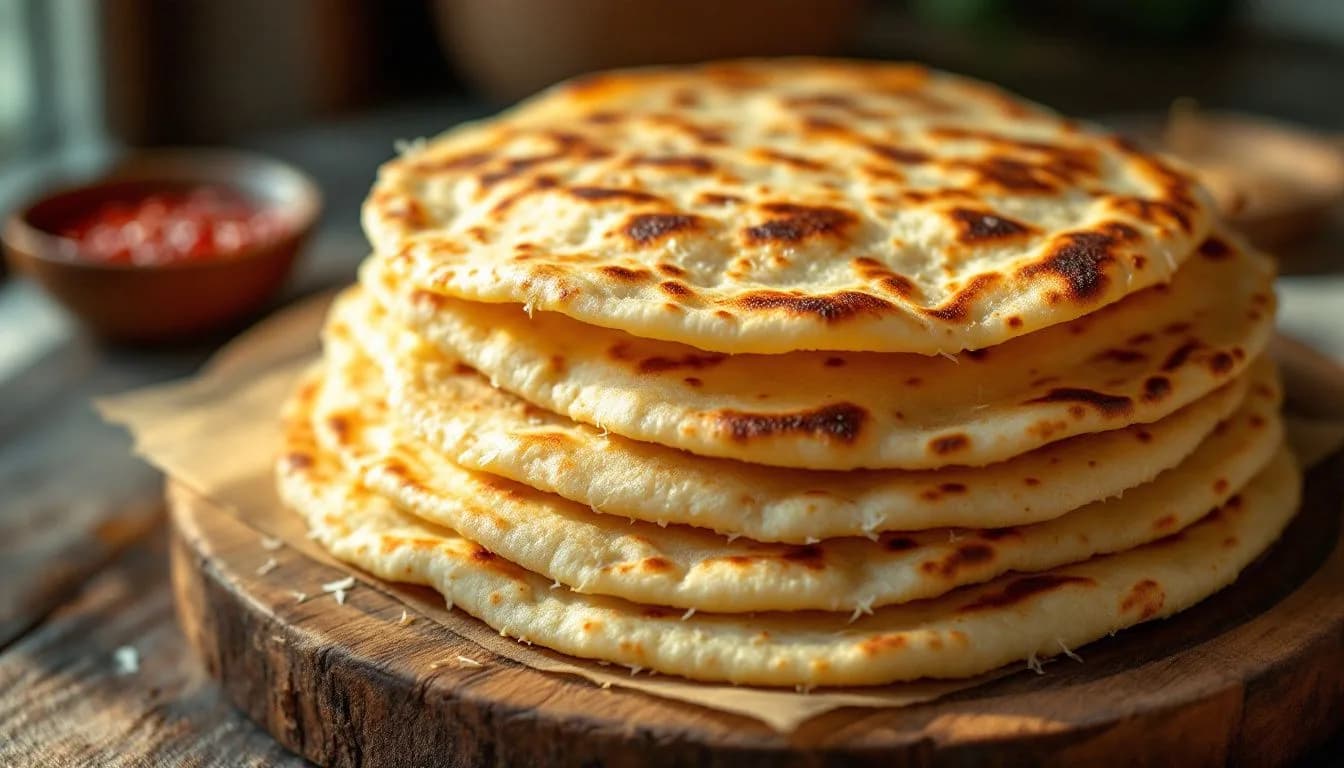
If you've ever wandered into a Sri Lankan kitchen at breakfast time, chances are you've smelled it before you've seen it — that warm, faintly nutty aroma of coconut hitting a hot griddle. That's pol roti. It's the kind of food that doesn't try to impress you. It just shows up, golden and a little rustic, and quietly becomes the best thing on the table.
I grew up watching my grandmother make these by feel. No scales, no measuring cups, just her hands working flour and freshly scraped coconut together until the dough looked right. For years I thought I'd never replicate it. Turns out authentic Sri Lankan pol roti is far more forgiving than it looks — once you understand what's actually going on, you'll be flipping them like you've done it a thousand times.
So what exactly is pol roti?
'Pol' means coconut in Sinhala, and 'roti' is the flatbread. Put them together and you've got a thick, slightly chewy flatbread studded with shredded coconut, often flecked with green chilli and onion. It's not the thin, lacy roti you might know from other cuisines. This one has heft. It's hearty enough to fill you up on its own, which is exactly why it's such a staple for breakfast and dinner across the island.
The texture is the whole point. You want a crisp, blistered exterior giving way to a soft, coconutty middle. Get that contrast right and everything else falls into place.
The coconut isn't a garnish here — it's the soul of the bread. Skimp on it and you've just made a plain flatbread.
The coconut question
Here's the bit everyone asks about. Traditionally you'd use freshly scraped white coconut, the soft inner flesh grated on a special stool-mounted scraper. It carries moisture and a sweetness that dried coconut simply can't match.
But I know most of us aren't cracking open a fresh coconut on a Tuesday morning. Frozen grated coconut, which you'll find in the freezer aisle of most South Asian grocers, is the next best thing and genuinely excellent. Let it thaw and you're golden. If all you have is desiccated coconut, soak it in a splash of warm water or coconut milk first to plump it up — otherwise the dough turns dry and the roti goes crumbly.
A few hard-won tips
I made plenty of bad pol roti before I made good ones. Save yourself the trouble:
- Don't overwork the dough. Mix it just until it comes together. It should feel soft and slightly tacky, not smooth like bread dough. Overkneading gives you tough roti.
- Let it rest. Even ten minutes under a damp cloth helps the flour hydrate and makes shaping so much easier.
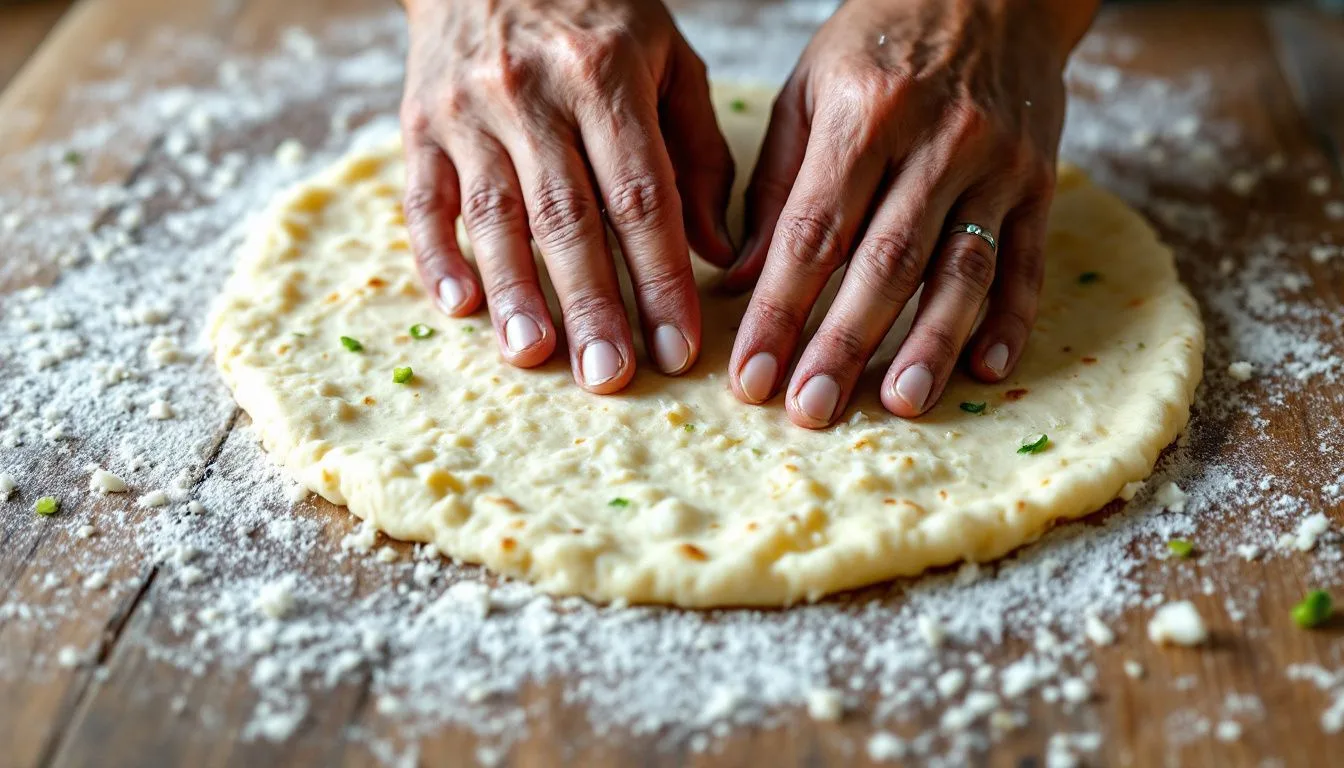
- Shape with your fingers, not a rolling pin. Pat the dough into a disc by pressing it out on a lightly floured surface. A rolling pin compacts it; your hands keep it tender.
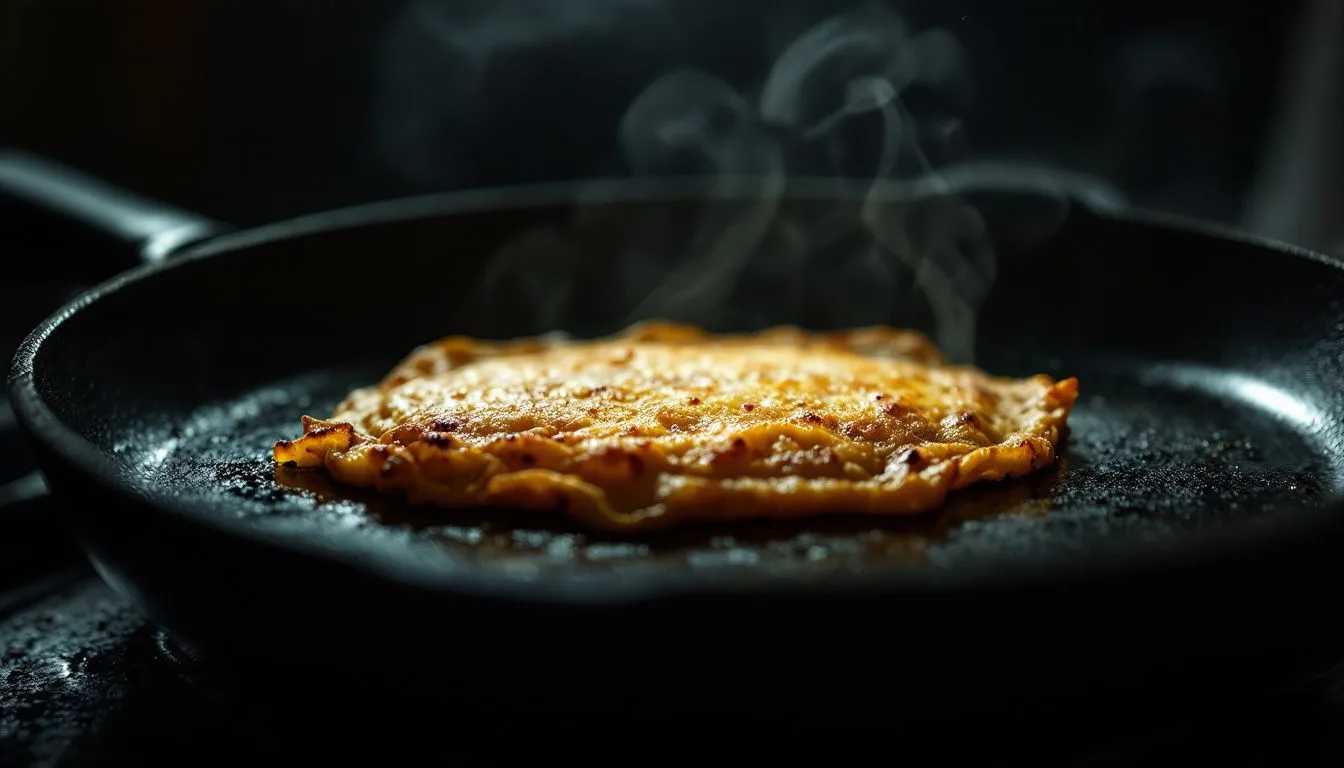
- Get the pan properly hot. A dry cast-iron pan or a heavy non-stick over medium-high heat. You want those dark spots — they're flavour.
- Cook it dry. No oil needed, though a tiny smear of butter at the end never hurt anyone.
How spicy is too spicy?
That's up to you. A classic version keeps things mild with just a little green chilli and onion folded into the dough, sometimes a few curry leaves if you're feeling fancy. My uncle, who has a heroic tolerance for heat, throws in chopped fresh chillies until the dough turns green. I usually land somewhere in the middle — one finely chopped chilli per batch, enough to wake it up without setting anyone's mouth on fire.
You can also keep it plain and let your accompaniments do the talking, which is honestly how it's eaten most often.
What to eat it with
This is where pol roti really earns its keep. The plain, coconut-rich bread is a perfect canvas for bold flavours. The non-negotiable, in my house at least, is lunu miris — a fiery pounded paste of red onion, dried chilli, salt and lime. Tear off a piece of roti, scoop up some lunu miris, and you'll understand instantly why people get emotional about this stuff.
Beyond that, it goes with pretty much any Sri Lankan curry. Dhal curry is the comforting everyday choice. A coconut sambol (pol sambol) doubles down on the coconut theme. Seeni sambal, that sweet-spicy caramelised onion relish, is unbeatable. And if there's leftover chicken or fish curry from the night before, that's breakfast sorted.
Making it your own
Once you've got the basic dough down, treat it as a starting point. I've stirred grated carrot into the mix for the kids, swapped in a bit of wholemeal flour for nuttiness, and on lazy mornings just made them plain with a generous knob of butter melting on top. None of these are strictly traditional, but the bones of an authentic Sri Lankan pol roti hold up beautifully to a bit of experimentation.
What I'd ask you not to do is reach for pre-shredded sweetened coconut or skip the resting step. Those are the shortcuts that turn this into a sad imitation. Everything else? Play around. That's how home cooking stays alive.
Give it a go this weekend. Make a double batch, because they vanish faster than you'd think, and the cold ones reheat perfectly on a dry pan. Once pol roti's in your repertoire, you'll find yourself craving it on grey afternoons when nothing else quite hits the spot.
Get more recipes like this
Weekly recipe inspiration delivered to your inbox. No spam, ever.
Comments
Sign in to leave a comment.
Sign In