Spicy Sri Lankan Chicken Curry: A Traditional Recipe Worth the Mess
 English
 Sinhala
Jun 19, 2026
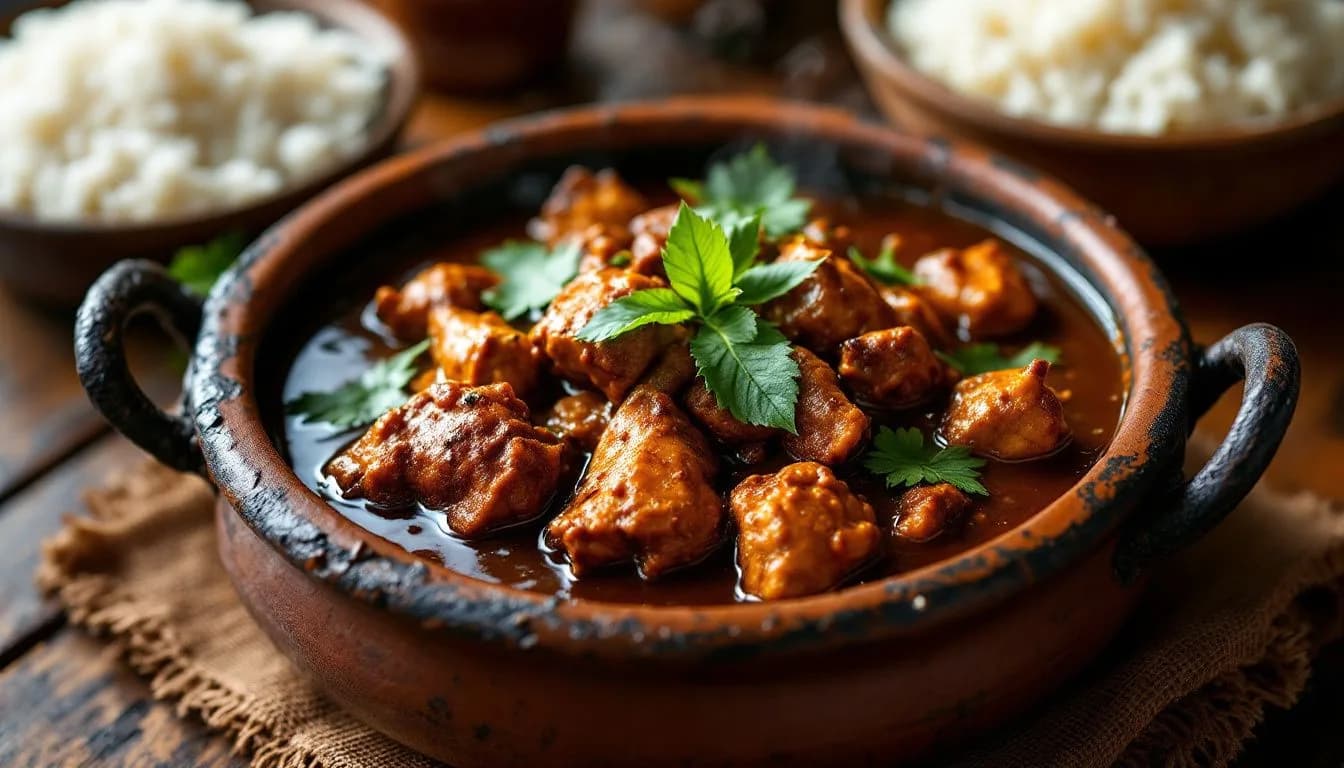
The first time I made a proper Sri Lankan chicken curry, my kitchen looked like a crime scene. Roasted curry powder dusted every surface, my fingers were stained yellow from turmeric, and there was a faint smell of pandan leaf clinging to my shirt for two days. Was it worth it? Absolutely. That pot of dark, glossy, blow-your-socks-off curry was the best thing I'd cooked all year.
If you've only ever had Indian curry, brace yourself. Sri Lankan chicken curry is a different beast — darker, more aromatic, with a roasted depth that comes from toasting the spices until they're nearly black. It's not subtle. It's not supposed to be.
What makes Sri Lankan chicken curry different
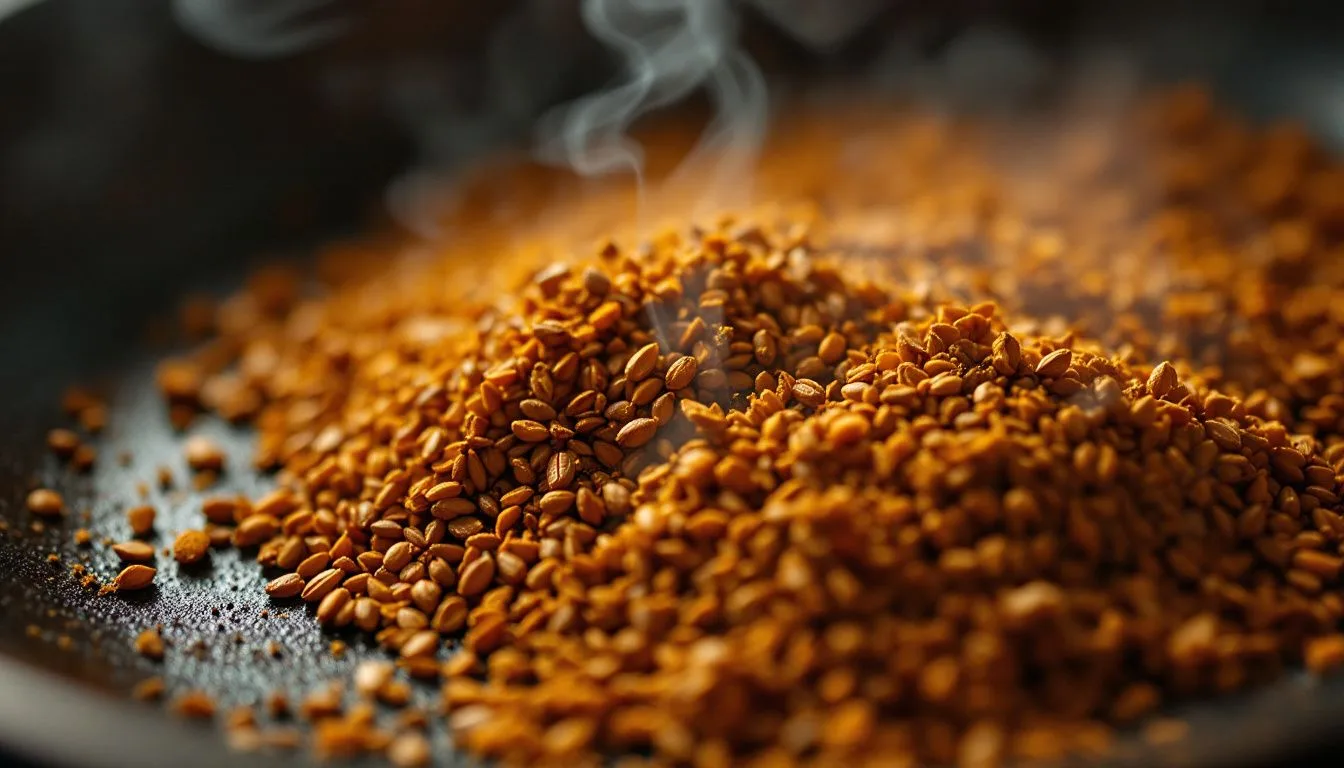
The secret is the roasted curry powder, or what's often called 'thuna paha' in its raw form before roasting. Sri Lankans toast their coriander, cumin, fennel, and a few other spices in a dry pan until they turn a deep, smoky brown. That roasting changes everything. Instead of the bright, fresh flavour you get in a lot of South Asian cooking, you get something nutty, almost coffee-like, with serious warmth underneath.
Then there's the trio of aromatics that show up in nearly every Sri Lankan curry: curry leaves, pandan (rampe), and lemongrass. If you can get fresh curry leaves, get them. Frozen work in a pinch, dried are a sad substitute. They release this nutty, citrusy perfume the moment they hit hot oil, and it's the smell of every good Sri Lankan kitchen I've ever stepped into.
The ingredients you'll need
Don't be put off by the list. Most of this is pantry stuff once you've shopped once.
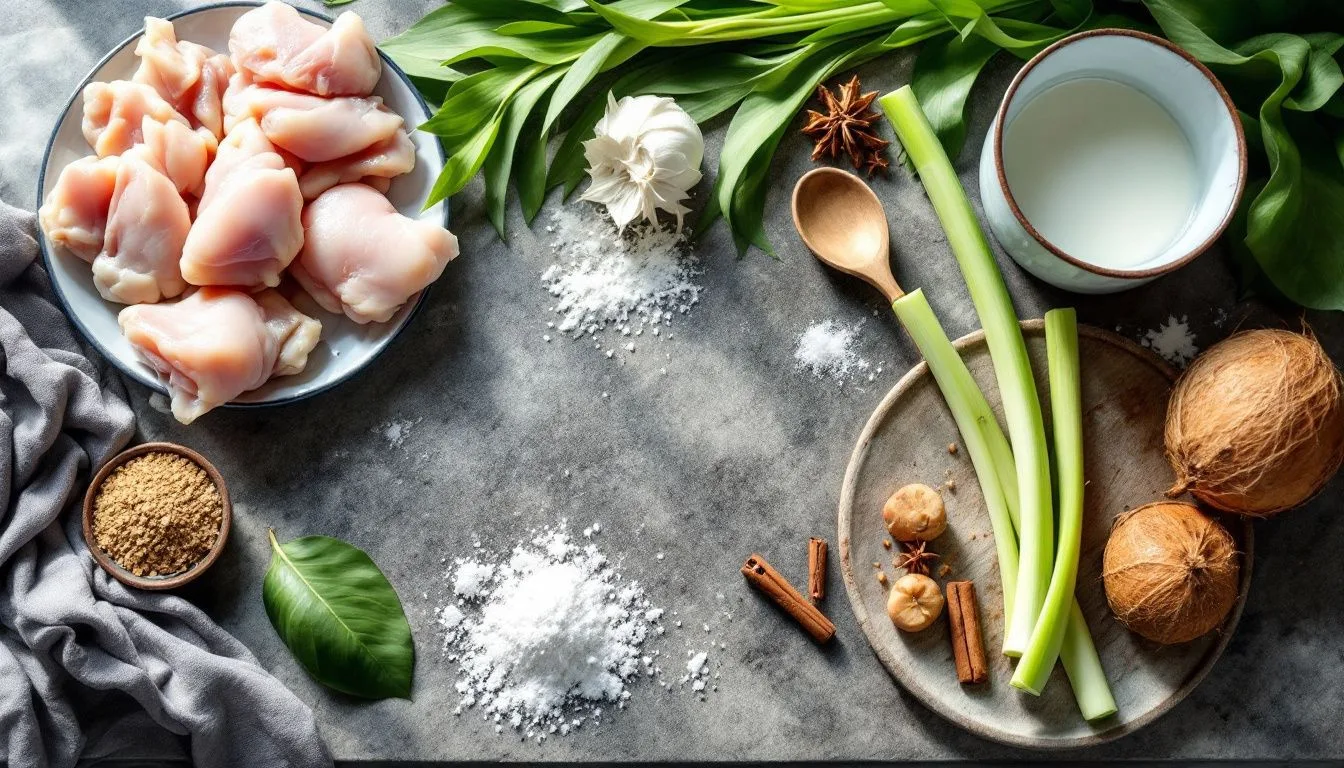
- 1 kg chicken, bone-in and skin-on, cut into curry pieces (thighs and drumsticks are ideal)
- 2 tablespoons Sri Lankan roasted curry powder
- 1 tablespoon chilli powder (more if you're brave)
- 1 teaspoon turmeric
- 1 teaspoon ground black pepper
- 2 onions, finely sliced
- 4 cloves garlic and a thumb of ginger, crushed
- 2 sprigs fresh curry leaves
- A 5cm piece of pandan leaf
- 1 stalk lemongrass, bruised
- 1 cinnamon stick and a few cardamom pods
- 2 tomatoes, chopped
- 1 cup thick coconut milk
- A splash of vinegar or a squeeze of lime
- Salt and coconut oil
Bone-in chicken matters here. The bones give the gravy body and flavour you just can't fake with skinless breast fillets. Trust me on this.
How to make it
Start by marinating the chicken. Toss the pieces with the roasted curry powder, chilli, turmeric, pepper, and a good pinch of salt. Use your hands and really rub it in. Let it sit for at least 30 minutes — longer if you can, even overnight in the fridge. This is where the flavour gets into the meat instead of just sitting on top of it.
Heat a couple of tablespoons of coconut oil in a heavy pot. When it shimmers, throw in the cinnamon, cardamom, curry leaves, pandan, and lemongrass. Give it about thirty seconds — you'll know it's ready when the whole kitchen suddenly smells incredible. Add the onions and cook them down slowly until soft and golden. Don't rush this. Soft, sweet onions are the backbone of the gravy.
Stir in the garlic and ginger, cook for a minute, then add the tomatoes. Let them break down into a rough paste. Now the chicken goes in, marinade and all. Brown it on all sides, scraping up any bits stuck to the bottom — that's flavour, not failure.
The trick I learned from a Sri Lankan aunty: let the chicken release its own juices first before adding any liquid. Cover the pot, drop the heat, and let it simmer in its own marinade for ten minutes. The meat practically braises itself.
After that, add a splash of water if it looks dry and let it cook through, around 20 to 25 minutes. The chicken should be tender and the gravy reduced and dark. Finally, pour in the thick coconut milk and a splash of vinegar. Simmer gently — and I mean gently, because coconut milk will split if you boil it hard — for another five minutes. Taste and adjust the salt. Done.
How spicy is too spicy?
The honest answer: Sri Lankan curry is meant to make you sweat a little. The version my friend's grandmother makes would peel paint. But you're in control here. Start with one tablespoon of chilli powder and work up next time. The roasted curry powder carries so much flavour that even a milder version still tastes properly Sri Lankan, not watered down.
If you do overdo it, a spoonful of extra coconut milk or a side of plain rice will calm things down. Just don't reach for water — it spreads the heat around rather than dousing it.
What to serve it with
Steamed rice is the obvious partner, but if you want the full experience, serve it with string hoppers or a stack of warm roti. A bit of pol sambol — that fiery coconut relish — on the side ties everything together. Some sliced cucumber or a simple dhal curry rounds out the plate nicely.
This curry tastes even better the next day, once everything's had time to settle and get friendly in the fridge. So make a big batch. Leftovers reheated for lunch are a small daily joy.
A few honest tips
- Make your own roasted curry powder if you can. Toast the spices, cool them, grind them. It's a different level, and a jar lasts ages.
- Don't skip the pandan and curry leaves. They're the difference between 'a curry' and 'a Sri Lankan curry'.
- Coconut oil over vegetable oil, every time. It's part of the flavour, not just the cooking medium.
Yes, it'll mess up your kitchen. Yes, you'll smell faintly of toasted spices for the rest of the evening. But the moment you spoon that dark, fragrant gravy over rice and take the first bite, you'll understand why people who grew up with this food get so misty-eyed about it. Make it once and it'll earn a permanent spot in your cooking rotation.
Get more recipes like this
Weekly recipe inspiration delivered to your inbox. No spam, ever.
Comments
Sign in to leave a comment.
Sign In