
How to Make Watalappan: Sri Lanka's Velvety Kithul Custard
 English
 Sinhala
Jun 30, 2026
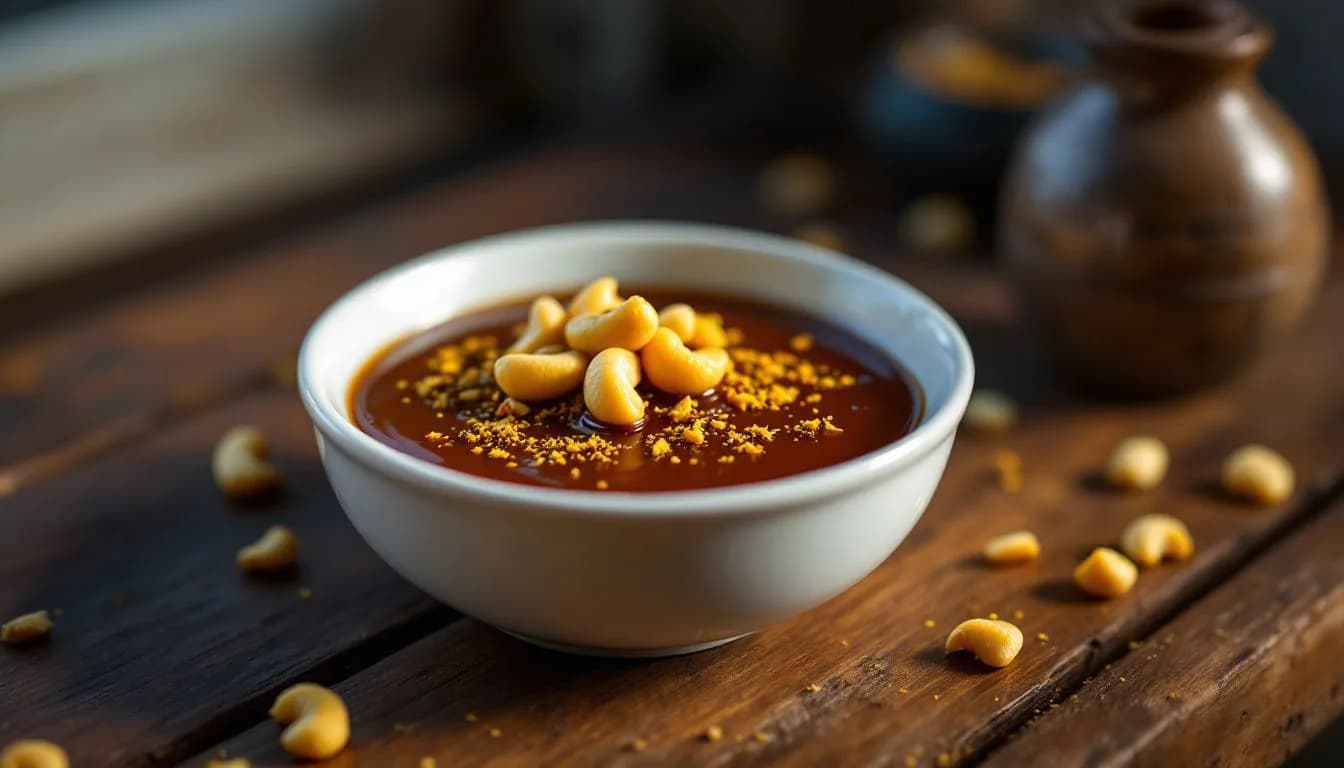
If you've ever sat down to a Sri Lankan feast, you'll know the meal isn't really over until someone slides a small bowl of watalappan in front of you. It's the dessert that ends weddings, Eid lunches, and most family gatherings worth remembering. Think of it as a steamed custard, but darker, deeper, and unmistakably scented with cardamom and the smoky-toffee sweetness of kithul jaggery.
I learned to make it the way most people do — by hovering in someone else's kitchen and asking too many questions. My version below is the one I keep coming back to, and it's forgiving enough that you don't need fancy equipment to get it right.
What actually goes into watalappan
At its heart, watalappan is just eggs, coconut milk, and jaggery, set gently by steam. But the magic is in the details. The jaggery here isn't ordinary sugar — it's kithul jaggery, tapped from the fishtail palm, and it carries a smoky, almost caramel-and-molasses flavour that white sugar can't fake.
If you can't find kithul, palm sugar or even a good dark gula melaka will get you most of the way there. Just don't reach for brown sugar as a swap — it'll taste sweet but flat, and you'll miss that haunting backnote that makes people ask what's in it.
The eggs do the setting, the coconut milk does the richness, and the jaggery does the soul. Get all three right and you're golden.
The spices that matter
Cardamom is non-negotiable. I crush whole green pods and grind the little black seeds fresh, because the pre-ground stuff loses its perfume fast. A whisper of cinnamon, a tiny grating of nutmeg, and a pinch of clove round things out. Go easy though — watalappan should taste warm and fragrant, not like a spice cabinet fell into your bowl.
Some families toss in a few cashews on top before steaming. They turn slightly soft and golden, and give you that nice textural surprise against the silky custard. Worth doing if you've got them.
Steaming, not baking
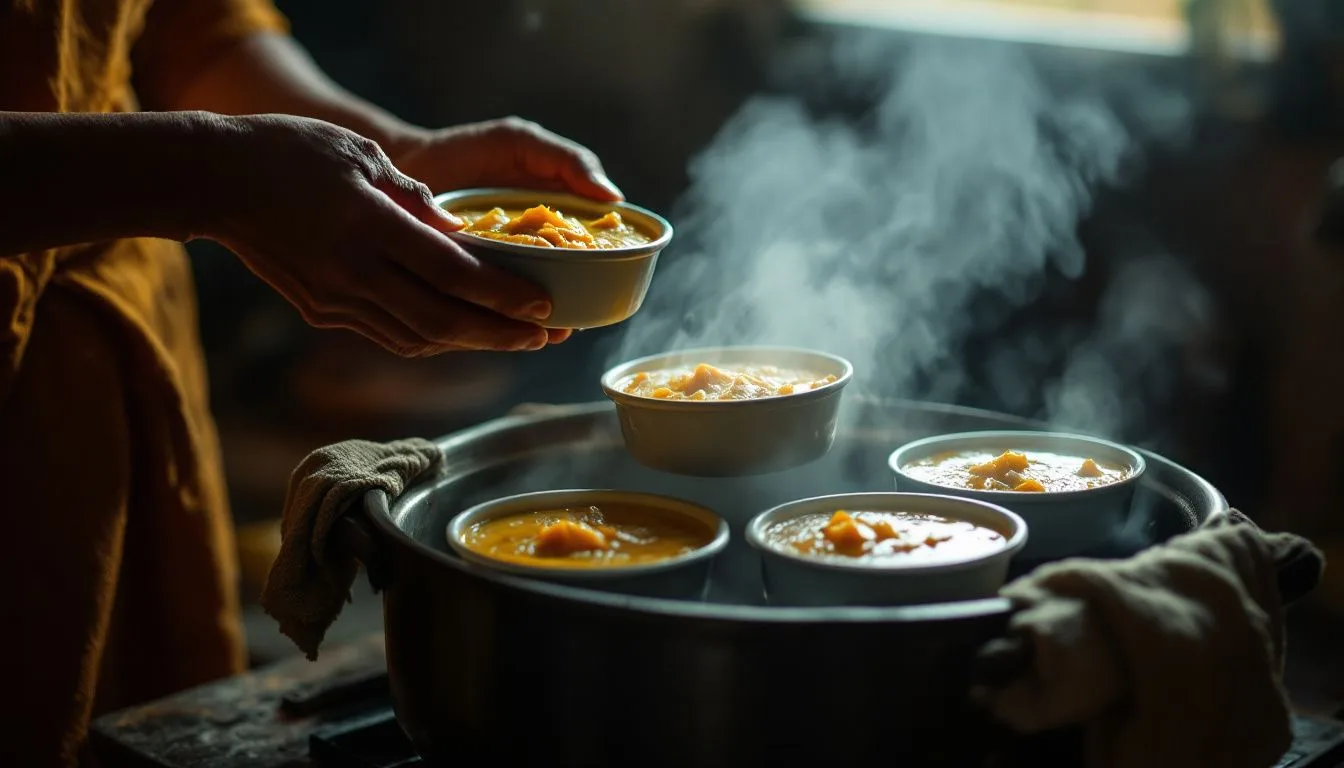
This is the part people get nervous about, and they shouldn't. Watalappan is set over gentle steam, which keeps it custardy and smooth rather than rubbery. You can use a proper steamer, a wide pot with a trivet and a lid, or even a pressure cooker without the weight on. The key is low, steady heat and a lid wrapped in a cloth so condensation doesn't drip back onto your custard and pock the surface.
You'll know it's done when the centre wobbles just slightly and a knife slipped in comes out clean. Resist the urge to crank up the heat to rush it — boil it too hard and you'll get little holes and a grainy texture. Patience is the whole game.
Getting the jaggery right
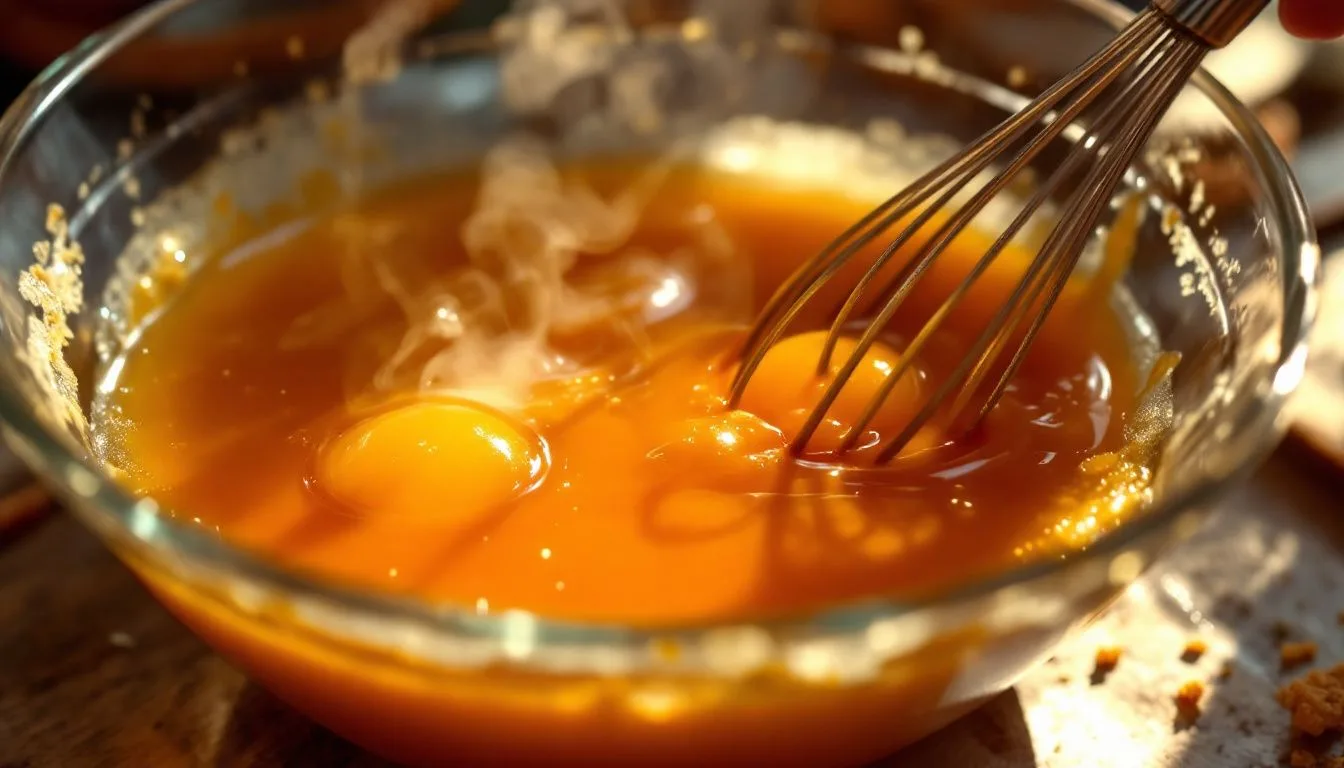
Kithul jaggery often comes as a hard block, and you'll need to dissolve it before it goes anywhere near the eggs. I chop it up, melt it down with a splash of water or coconut milk over low heat, then strain it. Straining catches any grit or bark bits that sometimes hitch a ride in artisanal jaggery — skip this step and you'll feel them later.
Let the dissolved jaggery cool a bit before whisking it into your beaten eggs. Pour it in hot and you'll start scrambling your eggs, which nobody wants.
Little things that make a big difference
- Strain the whole custard mixture before steaming. It's a five-second job that gives you a glassy, lump-free finish.
- Skim off any foam on top before it goes into the steamer — bubbles set into ugly pockmarks.
- Chill it properly. Watalappan is good warm, but it's great cold, when the flavours settle and the texture firms into something spoonable and dense.
- Use full-fat coconut milk. The light stuff makes a watery, sad custard.
How to serve it
Traditionally it's served in a single big dish and scooped out, or set in individual bowls or ramekins for parties. A scattering of toasted cashews on top, maybe a few raisins, and you're set. It doesn't need cream or sauce — it's rich enough on its own.
I like it after a fiery rice and curry, when its cool sweetness calms everything down. It also keeps beautifully in the fridge for a few days, so it's a smart make-ahead for when you've got people coming over and no time to fuss on the day.
Don't overthink it
The first time I made watalappan I was convinced I'd ruin it. I didn't. It set into this glossy, trembling thing that tasted like every good memory I had of Sri Lankan kitchens. If yours cracks a little or the top isn't perfectly smooth, nobody at the table will care once the spoons come out. Make it once and you'll have the rhythm of it for life.
Get more recipes like this
Weekly recipe inspiration delivered to your inbox. No spam, ever.
Comments
Sign in to leave a comment.
Sign In