How to Make Aluwa: The Sri Lankan Diamond Sweet Everyone Loves
 English
 Sinhala
Jun 25, 2026
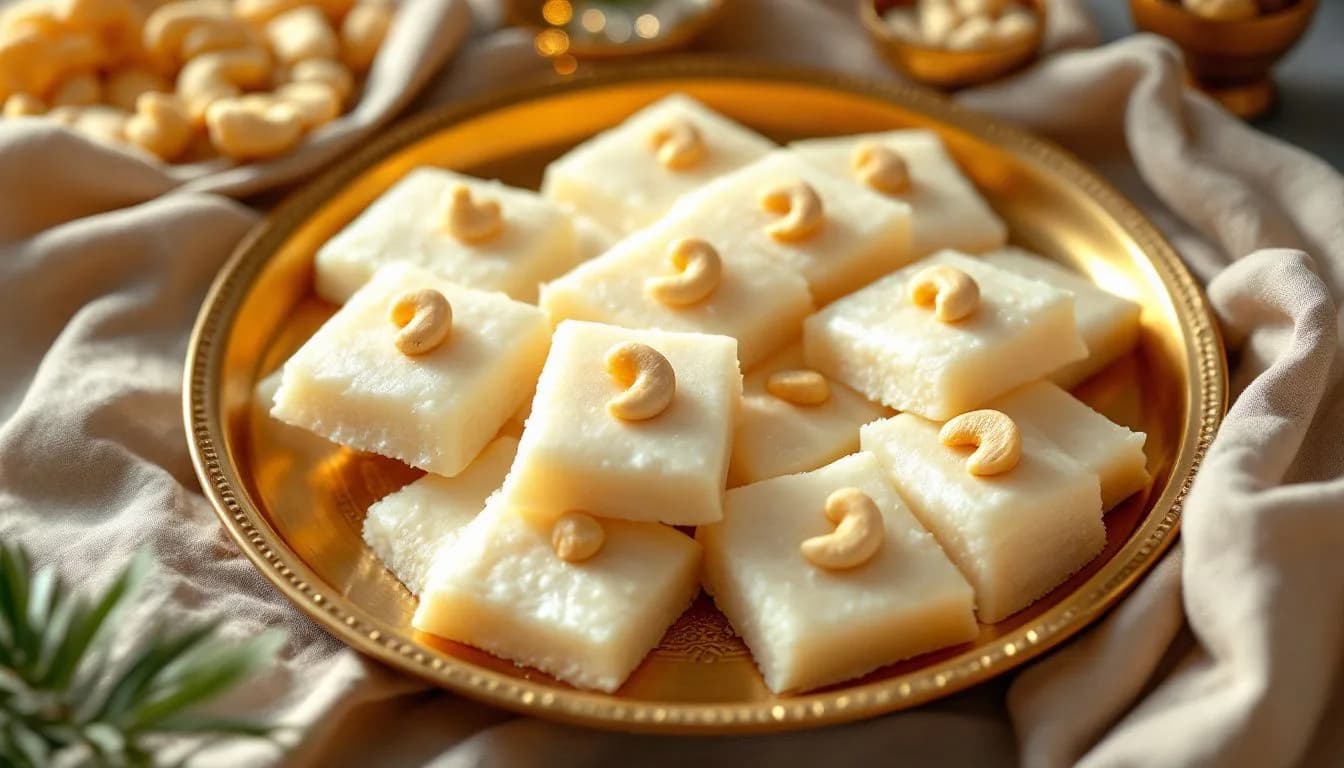
If you've ever been to a Sri Lankan home around Avurudu, the New Year, you've probably had aluwa pushed into your hand within five minutes of walking through the door. Those little diamond-shaped sweets, dusted with cardamom and sometimes studded with cashews, are practically a national symbol of celebration. My grandmother used to make them in giant batches, and the whole kitchen would smell like roasted rice flour and ghee for hours.
The thing about learning how to make aluwa is that it sounds intimidating and turns out to be one of the simplest sweets you can put together. There's no oven, no fancy equipment, and the ingredient list is short. What it does ask for is a little patience and a willingness to keep stirring when your arm wants to quit.
What Exactly Is Aluwa?
Aluwa (sometimes spelled aluva) is a fudgy, crumbly sweet made from rice flour, sugar syrup, and coconut milk. It sits somewhere between a fudge and a soft shortbread in texture. The classic version is white, lightly sweet, and perfumed with cardamom. There are darker variations made with treacle or jaggery, and some families add roasted cashews or even a whisper of vanilla.
What makes it special isn't any single luxury ingredient. It's the technique — roasting the rice flour just enough so it loses that raw, chalky taste, then binding it with a syrup cooked to the right thread. Get those two things right and you've basically nailed it.
The Ingredients That Actually Matter
Rice flour is the heart of this sweet, and the type you use changes everything. Traditional cooks toast their own raw rice flour in a dry pan until it smells nutty. If you're buying packaged flour, give it a light dry-roast anyway. It removes the raw edge and helps the aluwa set with a cleaner texture.
Sugar does double duty here — it sweetens and it sets. The syrup needs to reach what cooks call the soft-ball or single-thread stage, which is the make-or-break moment. Too loose and your aluwa won't hold its shape; too hard and you'll get something closer to candy than fudge.
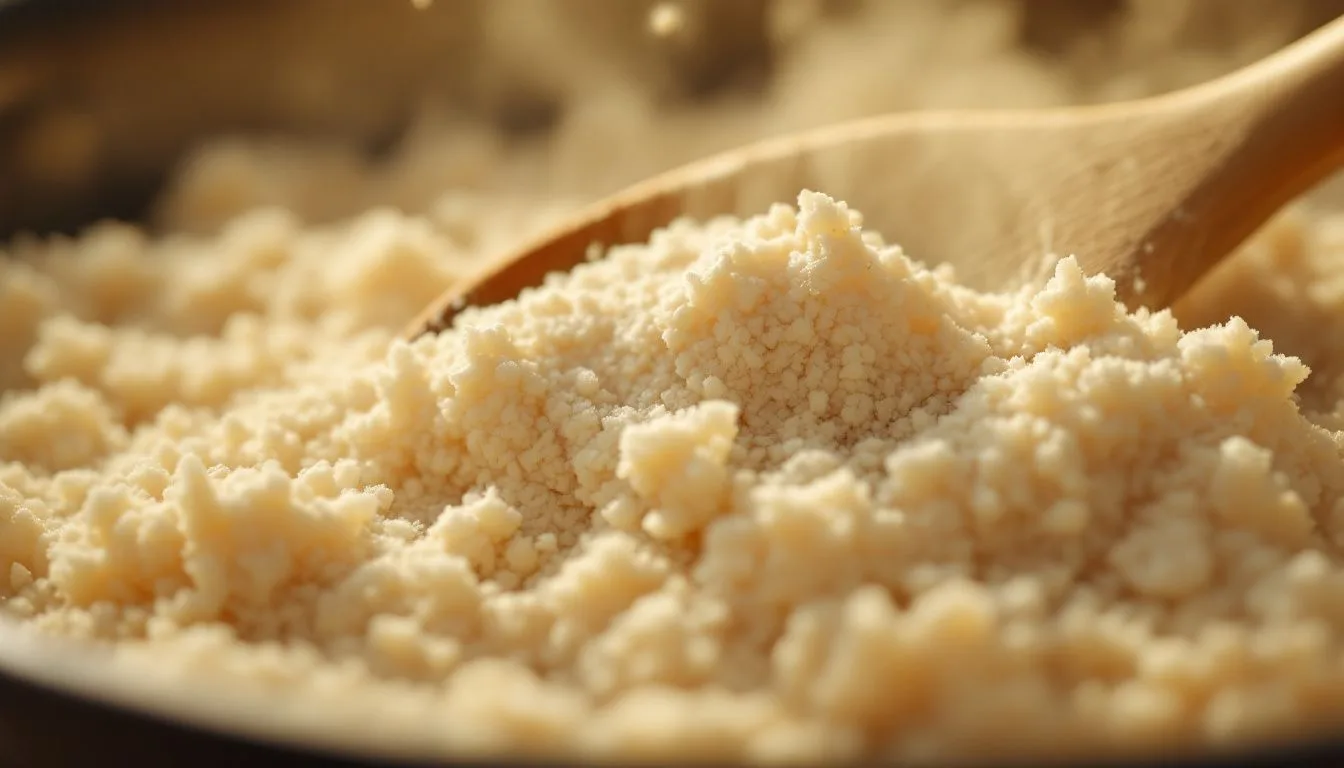
A tip my aunt swore by: drop a little syrup into cold water. If it forms a soft ball you can squish between your fingers, you're ready. Trust your eyes more than the clock.
Coconut milk brings richness and that unmistakable island flavor. Use thick coconut milk, not the watery stuff from the bottom of a can. Cardamom is non-negotiable for me, though you'll find recipes that lean on cinnamon or cloves too.
The Stirring Is the Whole Game
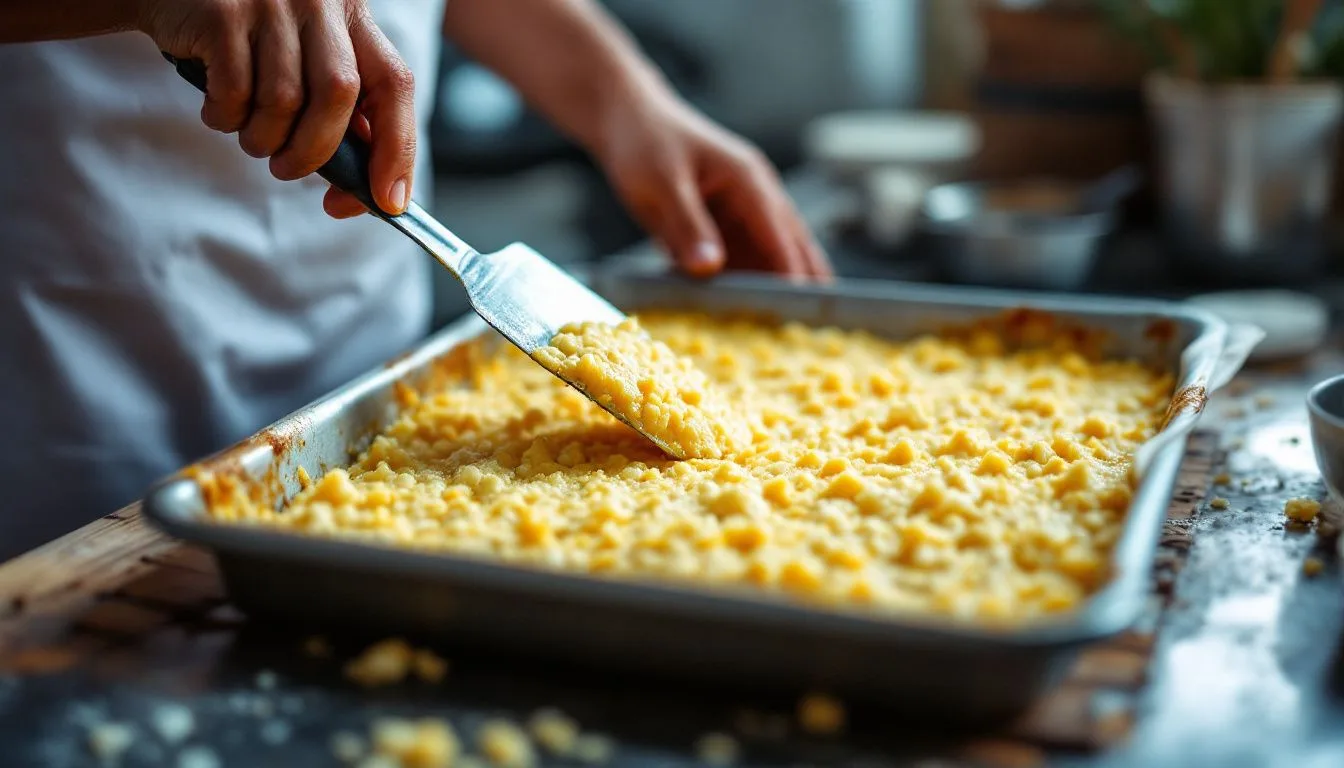
Here's where most first attempts go sideways. Once you combine the roasted flour with the syrup, you have to keep moving the mixture constantly over low heat. It thickens fast and it'll catch on the bottom of the pan if you turn your back. You're looking for the moment it pulls away from the sides and starts forming a single mass — that's your signal to get it out and pressed flat.
Speed matters at the end. Aluwa sets quickly as it cools, so have your tray greased and ready. You press it down while it's still warm and pliable, smooth the top, and let it firm up before cutting those signature diamond shapes.
Cutting the Classic Diamonds
The diamond shape isn't just for looks. Cutting on the diagonal means almost no waste, and the pieces are an easy two-bite size. Use a sharp knife, press straight down rather than dragging, and cut while the slab is still slightly warm. If you wait too long it crumbles at the edges.
Don't stress if your first few diamonds look wonky. Even the trimmings taste incredible, and nobody ever turned down a misshapen piece of aluwa.
Little Things That Make a Big Difference
- Roast the flour properly. This single step separates good aluwa from gritty, raw-tasting aluwa.
- Watch the syrup like a hawk. It goes from perfect to overcooked in under a minute.
- Work fast once it comes together. Have your tray, spatula, and a clean cup of water ready before you start.
- Press firmly. Loosely packed aluwa falls apart when you cut it.
- Let it cool fully before storing. Trapped steam turns it sticky.
Serving and Keeping It Fresh
Aluwa shines on a festival platter alongside kokis and kavum, but honestly it's just as good with a cup of plain tea on an ordinary afternoon. Stack the diamonds neatly, maybe press a cashew half into the top of each one for a little flourish.
Stored in an airtight tin at room temperature, it keeps for a good week or two — though in my house it has never once survived that long. If you want to gift a batch, wrap a few pieces in parchment and tie them with twine. People light up when they see homemade aluwa.
Once you've made it a couple of times, you'll start riffing. A pinch more cardamom here, a bit of treacle there. That's exactly how these recipes have traveled through generations of Sri Lankan kitchens — slightly different in every home, and somehow always right.
Get more recipes like this
Weekly recipe inspiration delivered to your inbox. No spam, ever.
Comments
Sign in to leave a comment.
Sign In