Easy Step-by-Step Homemade Japanese Ramen Noodles
 English
 Sinhala
Jun 18, 2026
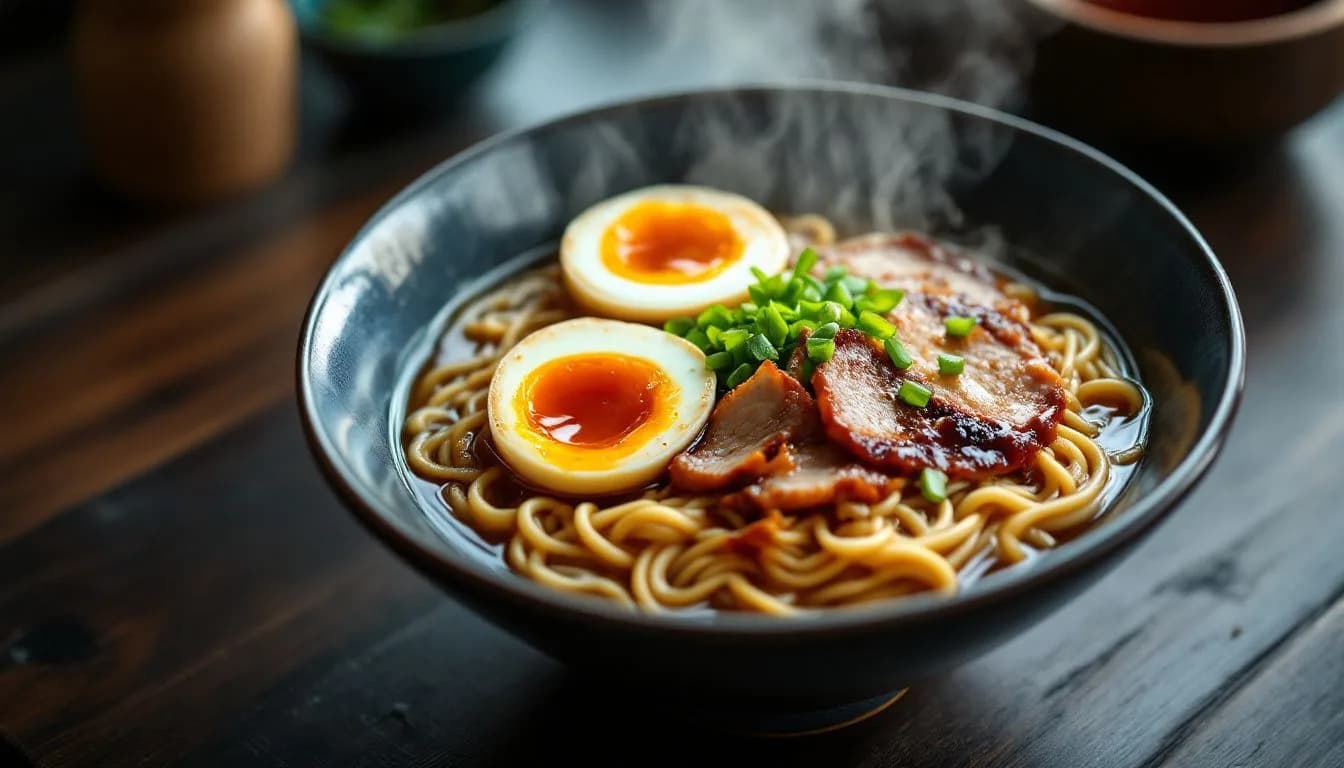
I used to think ramen was something you only got right if you'd apprenticed under a grizzled shop master in Tokyo for a decade. Then I made a batch in my own kitchen on a rainy Sunday, slurped it standing over the sink, and realized I'd been overcomplicating things. Homemade Japanese ramen is absolutely within reach — you just need a little patience and a willingness to get your hands floury.
This isn't the dried block from the pantry. We're making real noodles, a real broth, and a bowl that tastes like you earned it. Let's get into it.
What actually makes ramen, ramen
A proper bowl has four parts working together: the broth, the tare (a concentrated seasoning base), the noodles, and the toppings. The magic is in how they stack. The broth carries the body, the tare brings the salt and depth, and the noodles give you that springy bite that makes you keep going long after you're full.
You don't have to nail all four like a pro on your first try. Start with one solid broth and decent noodles, and you're already eating better than most takeout.
The noodles: easier than you'd guess
The thing that gives ramen noodles their distinct chew is an alkaline ingredient called kansui. If you can't find it, here's the home cook's trick: bake regular baking soda. Spread a few tablespoons on a foil-lined tray and bake at 250°F (about 120°C) for an hour. It transforms into baked soda — a stronger alkaline that mimics kansui beautifully.
Simple noodle dough
- 200g bread flour (high protein gives you that bounce)
- 1 tsp baked baking soda dissolved in 90ml water
- A pinch of salt
Mix the dry stuff, add the water bit by bit, and work it into a shaggy mess. It'll feel too dry and stubborn — that's normal. Knead it, let it rest 30 minutes under a damp towel, then knead again. Roll it thin (a pasta machine helps enormously) and cut into strips. Dust generously with flour so they don't clump.
If the dough fights you, walk away for ten minutes. Rested gluten is forgiving gluten.
The broth: where the soul lives
You've got options here depending on how much time you have. A long-simmered tonkotsu (pork bone broth) takes 8 to 12 hours and turns milky and rich. Gorgeous, but not a weeknight project. For everyday homemade Japanese ramen, I lean on a chicken-and-dashi broth that's deeply savory and ready in about 90 minutes.
A weeknight-friendly broth
- 1kg chicken backs, wings, or carcass
- 1 onion, halved
- A thumb of ginger, smashed
- 3 cloves garlic
- A piece of kombu (dried kelp), about 10cm
- A handful of dried shiitake mushrooms
- Water to cover, around 2.5 liters
Blanch the bones first — cover them with cold water, bring to a boil, then dump it all and rinse. This one step gets rid of the gray scum and gives you a cleaner broth. Then start fresh: bones, aromatics, kombu, shiitake, cold water. Bring it up slowly and keep it at a gentle simmer. Pull the kombu before it boils hard or things turn bitter.
Skim the foam now and then. After 90 minutes you'll have golden, glossy stock that smells like a hug.
The tare: don't skip this
This is the part beginners forget, and it's the difference between flat soup and a bowl that sings. Tare is the salty backbone you spoon into the empty bowl before adding broth.
A quick shoyu (soy sauce) tare: combine 4 tablespoons soy sauce, 1 tablespoon mirin, 1 teaspoon sugar, and a splash of sake in a small pan. Warm it gently to cook off the alcohol. That's it. Start with two tablespoons per bowl, taste, and adjust. You're seasoning the whole bowl through the tare, so trust it.
Toppings that earn their place
This is where you get to have fun. My standard lineup:
- Ajitama (marinated egg): Boil for exactly 6 minutes 30 seconds, ice bath, peel, then soak overnight in a mix of soy sauce, mirin, and water. The jammy yolk is non-negotiable for me.
- Chashu: Rolled pork belly braised low and slow in soy, sake, and sugar. If that's too much work, a few slices of seared pork shoulder do the trick.
- Green onions, thinly sliced — sharp and fresh against the rich broth.
- Nori, bean sprouts, a corn kernel scatter, or menma (bamboo shoots) if you're feeling generous.
Putting the bowl together
Timing matters here, because ramen waits for no one. Have everything ready before the noodles hit the water.
- Spoon your tare into the bottom of a warmed bowl.
- Ladle in the hot broth and stir to dissolve the tare.
- Boil the fresh noodles — only 60 to 90 seconds for thin homemade ones. Taste one; you want firmness, not mush.
- Drain hard, shake off the water, and lower them into the broth.
- Arrange your toppings like you're proud of them. Egg cut-side up, always.
Eat it immediately. Loudly. Slurping isn't rude here — it cools the noodles and pulls the aroma up into your nose, which is half the experience.
A few honest tips from my own flops
My first broth was bland because I was scared of salt. Don't be. Taste and season until it tastes like something, not like warm water. My first noodles were gummy because I overcooked them while fussing with photos. Cook the noodles last, no exceptions.
And if your kitchen looks like a flour bomb went off afterward? That means you did it right. Making homemade Japanese ramen is a little messy and a little slow, but the moment you take that first slurp of a bowl you built from scratch, you'll get why people obsess over it. Start simple, mess up, adjust, and make it again next weekend.
Get more recipes like this
Weekly recipe inspiration delivered to your inbox. No spam, ever.
More recipes to try

Comments
Sign in to leave a comment.
Sign In